Speaking Truth to Public Health
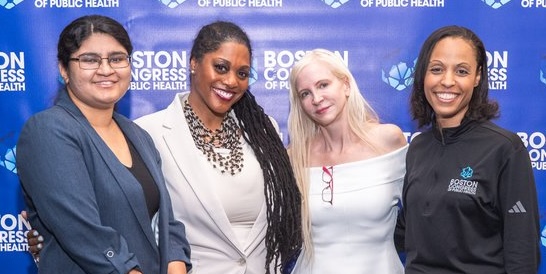
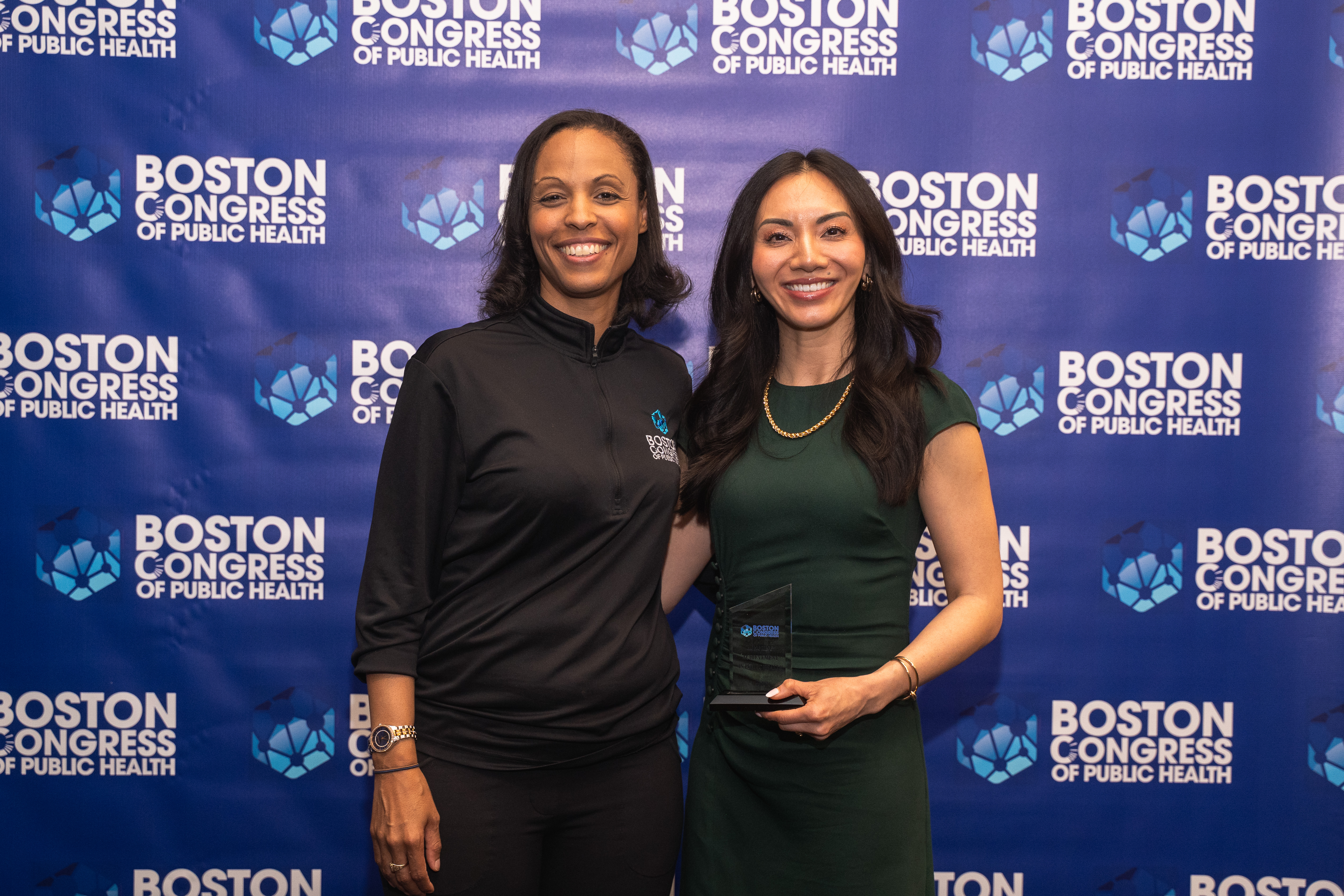
The Boston Congress of Public Health hosted the 2026 BCPH Gala on May 21, 2026, at the Ketryx public space, to celebrate its fifth anniversary and the achievements of the 40 Under 40 Public Health Catalyst Award winners.
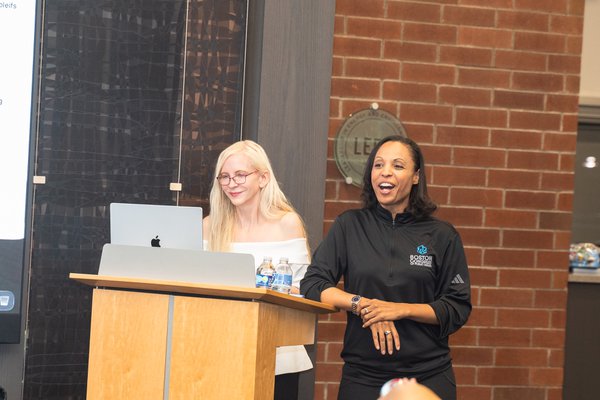
Attrayee Chakraborty (MSc, MS, CQSP), Chair of the BCPH Board of Directors, opened the night.
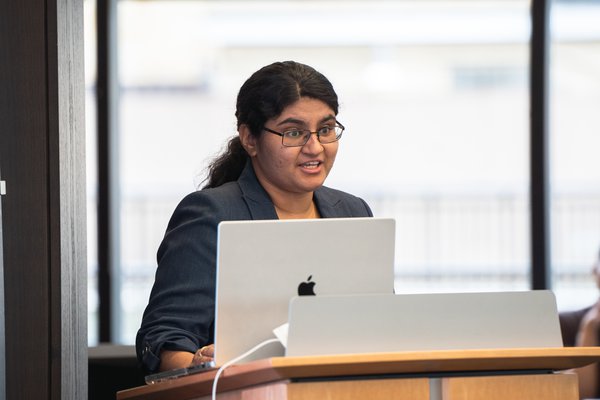
From there, the co-CEOs followed. Dr. Candice D. Carpenter (MD, MBA, MPH, EdM), founder of BCPH and Co-Editor-in-Chief of BCPHR, spoke to where the organization is headed, including the expansion of BCPH’s reach worldwide. Dr. Circe Gray Le Compte (ScD, MS), Chief Technology Officer and head of BCPH Studio, shared the organization’s origins as the Harvard Public Health Review at Harvard University in 2014, before the co-CEOs established BCPH to publish it independently in 2021.
BCPH today encompasses, five years and counting:
-
 JournalBCPHR
 -
 TrainingBCPH Academy
 -
-
 StudioBCPH Studio
 -
-
 FellowshipsBCPHR Editorial Fellowship
 -
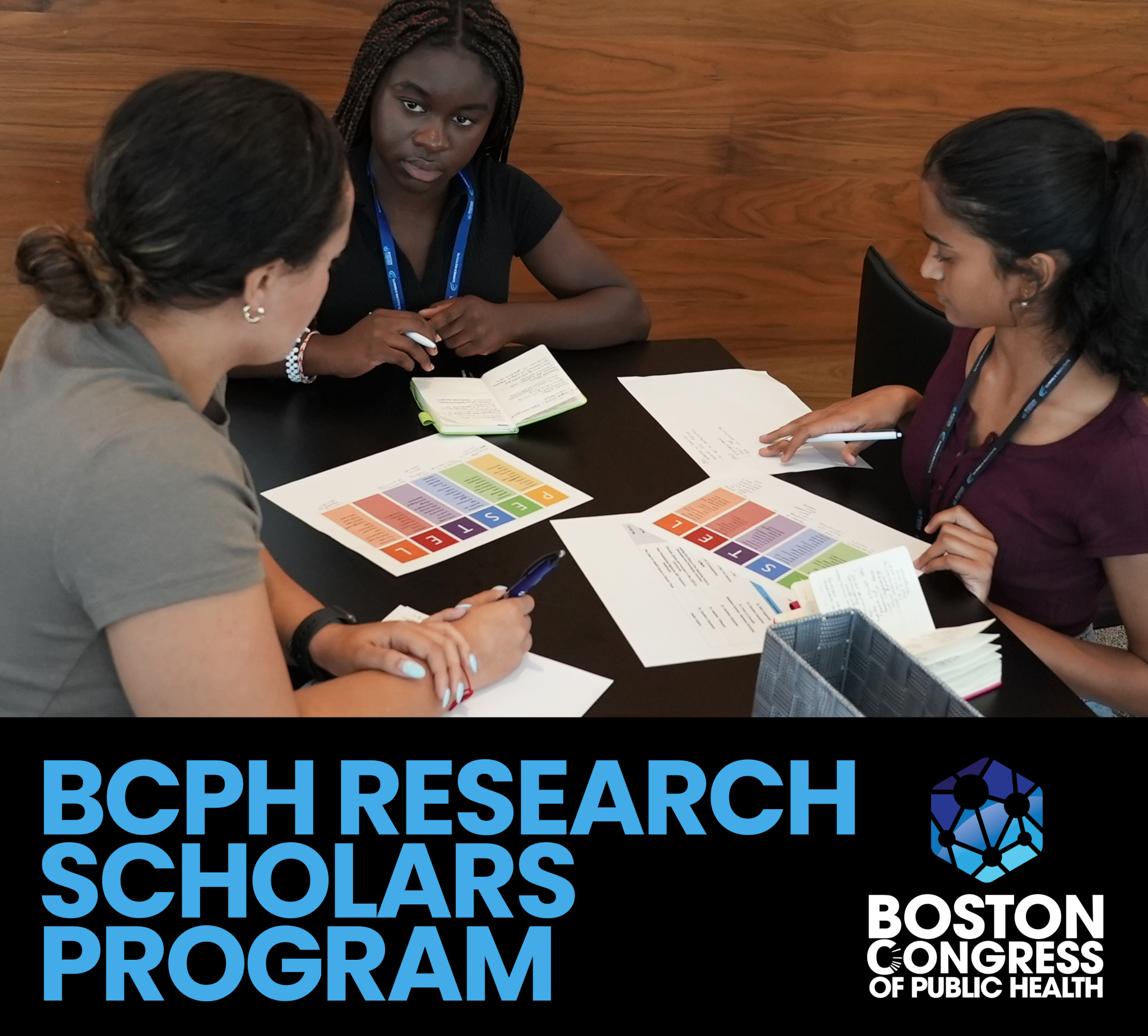 ScholarsBCPH Research Scholars Program
 -
 GlobalWorld Delegates Program
 -
-
-
-
The Keynote
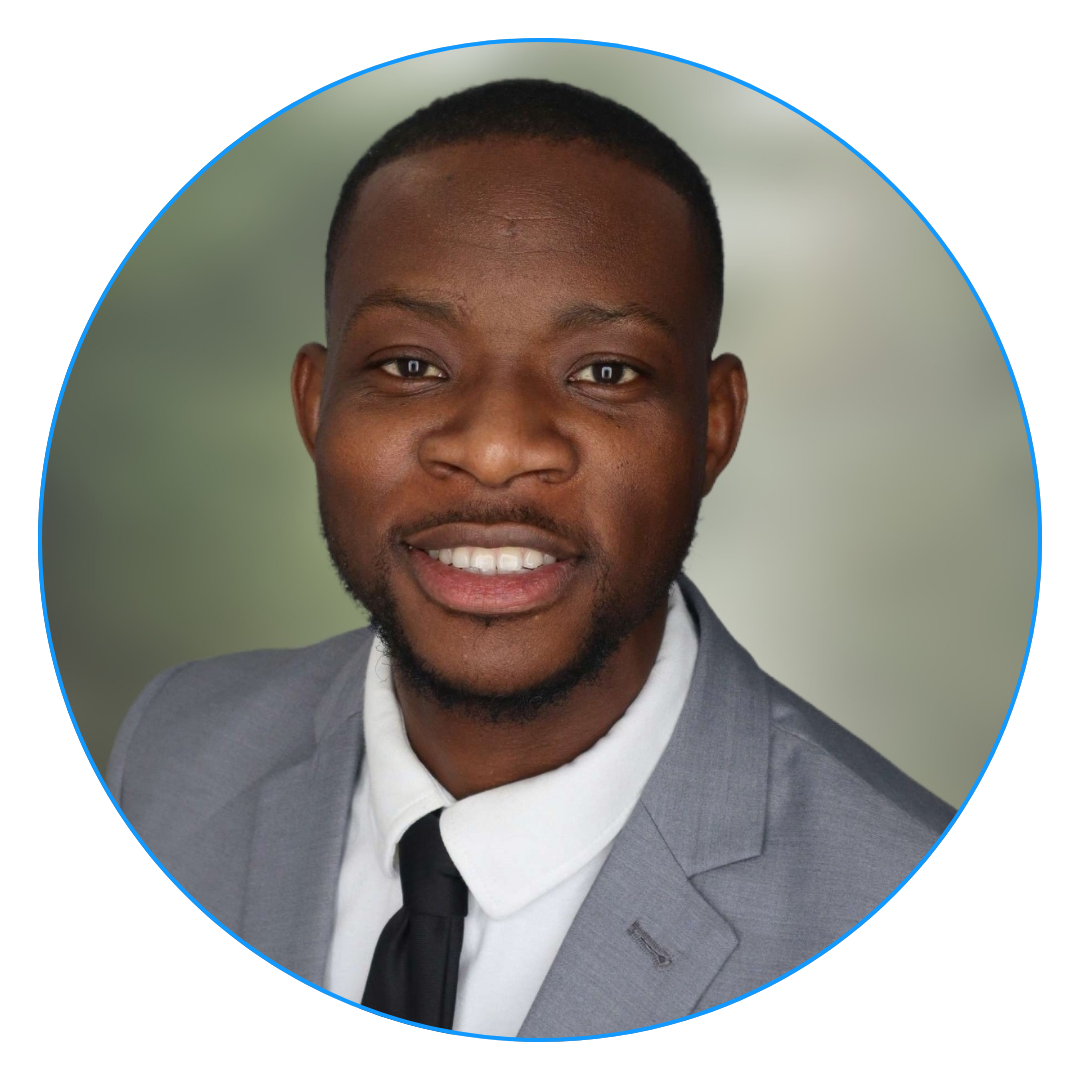
Director of Clinical Development, CardioVis · BIDMC / Harvard Medical School · 40 Under 40, 2026
Dr. Olabiyi Olaniran (MD, MPH), Clinical Research Fellow at the PASSIO Laboratory, Director of Clinical Development at CardioVis, on faculty at Beth Israel Deaconess Medical Center and Harvard Medical School, and a 2026 BCPH 40 Under 40 Public Health Catalyst, delivered the keynote: Beyond Systems: The People Public Health Needs Now.
He shared how he grew up in Lagos, Nigeria, and spoke about losing his mother to breast cancer at the age of three. He traced the line from that loss through years of medical training and global health work in India, Chile, Uganda, and the United States, and named what he believes the world most urgently needs: not better systems alone, but people of integrity, clarity, and courage, “men and women who will not be bought or sold.”
He spoke about the erosion of trust in institutions, the destabilizing force of health misinformation as we move into an era driven by artificial intelligence, and the structural inequities that determine who gets care and who is left behind. And he closed on partnership, on community, on the people who poured into him as a child and on his obligation, and ours, to pour that same investment back into the next generation.
“The greatest want of the world is the want of men, men who will not be bought or sold; men who in their inmost souls are true and honest; men who do not fear to call wrong by its right name.” Ellen G. White, quoted in Dr. Olaniran’s keynote
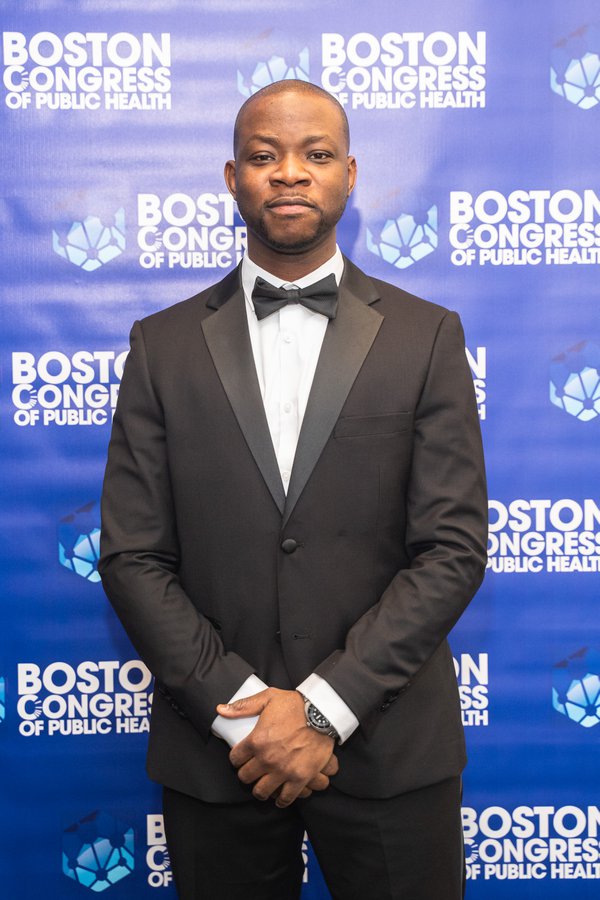
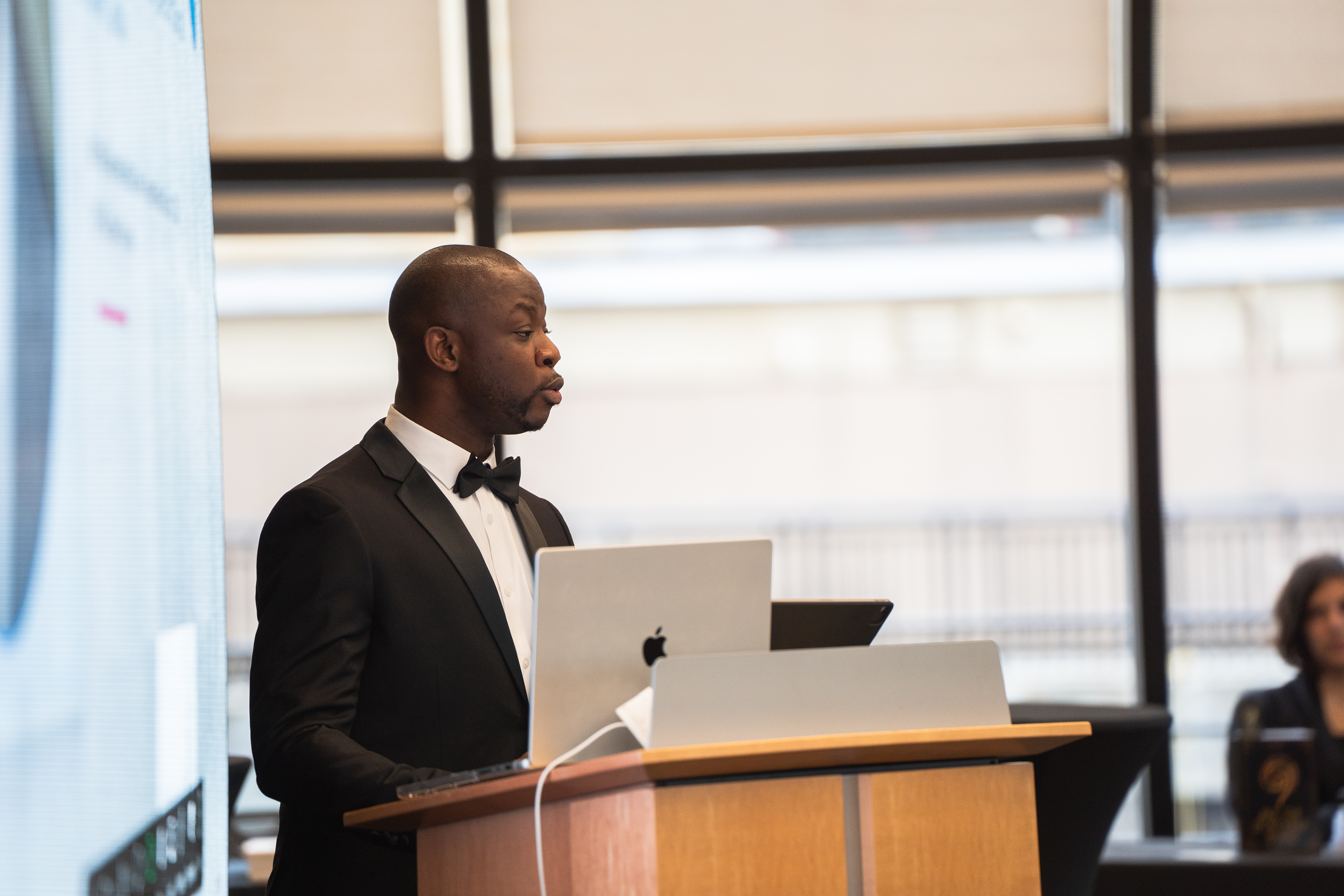
In a note shared afterward, Dr. Olaniran reflected on the evening:
“Standing among leaders and changemakers from across continents, I was reminded that when the right platform exists, distance is no longer a barrier, only a possibility … I left the evening not only grateful but deeply committed to engage more intentionally, to collaborate more openly, and to remain grounded in the values that brought us all into this space.” Dr. Olabiyi Hezekiah Olaniran
Featured Speakers
The featured speakers carried the evening into the texture of the work itself.
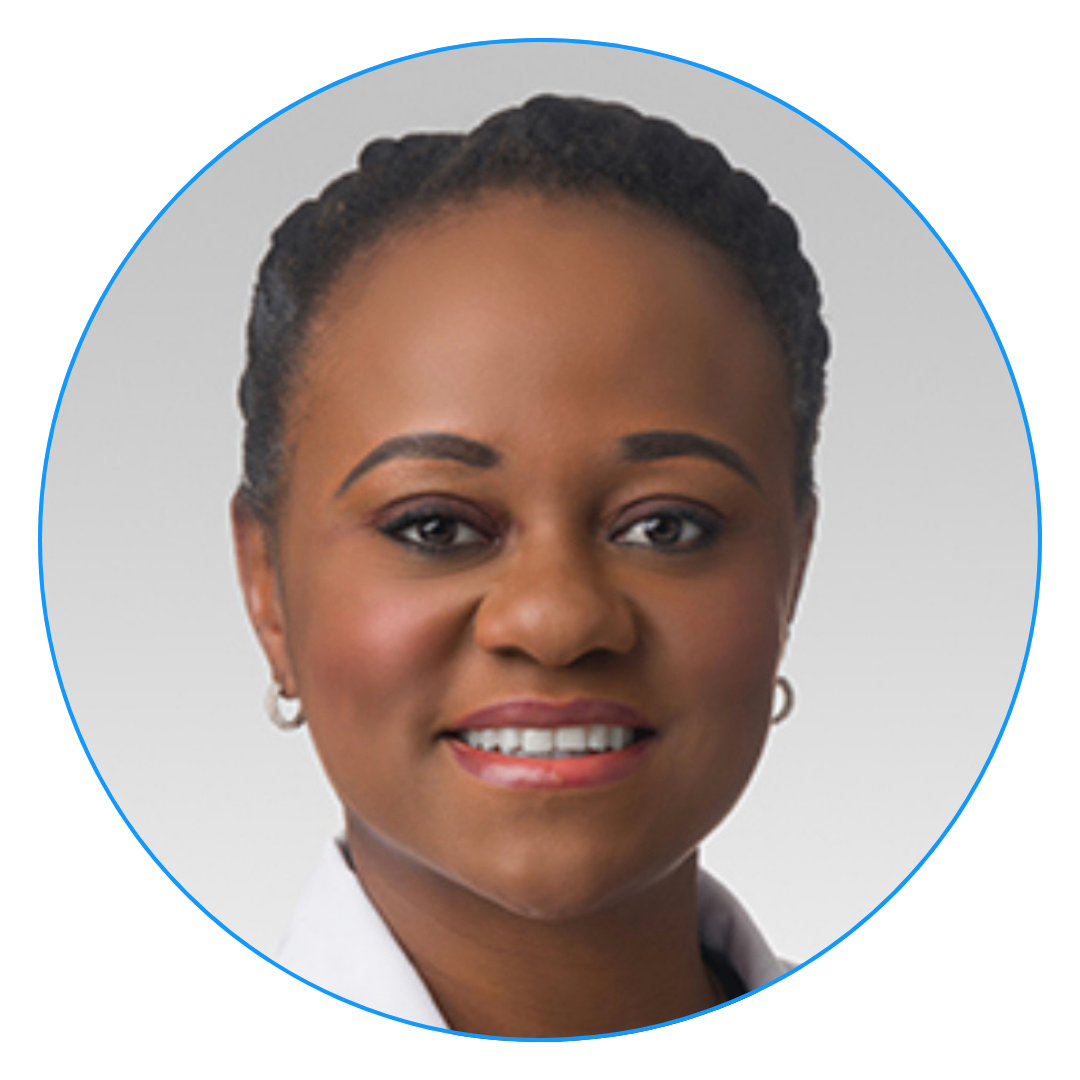
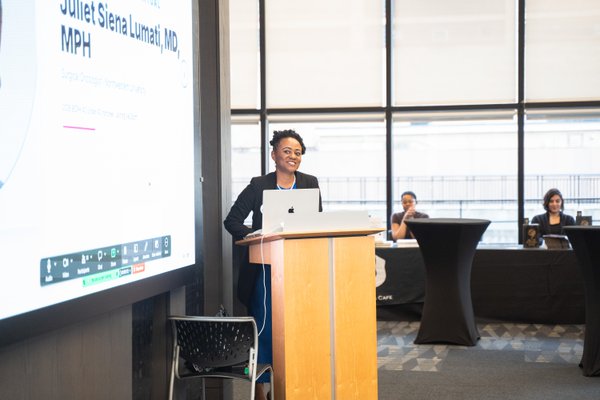
Dr. Juliet Siena Lumati joined us in person with a reflection on cancer care across geographies, including her work as Principal Investigator of the COST-FIN Trial, the first randomized controlled trial of financial navigation for cancer patients in Sub-Saharan Africa.
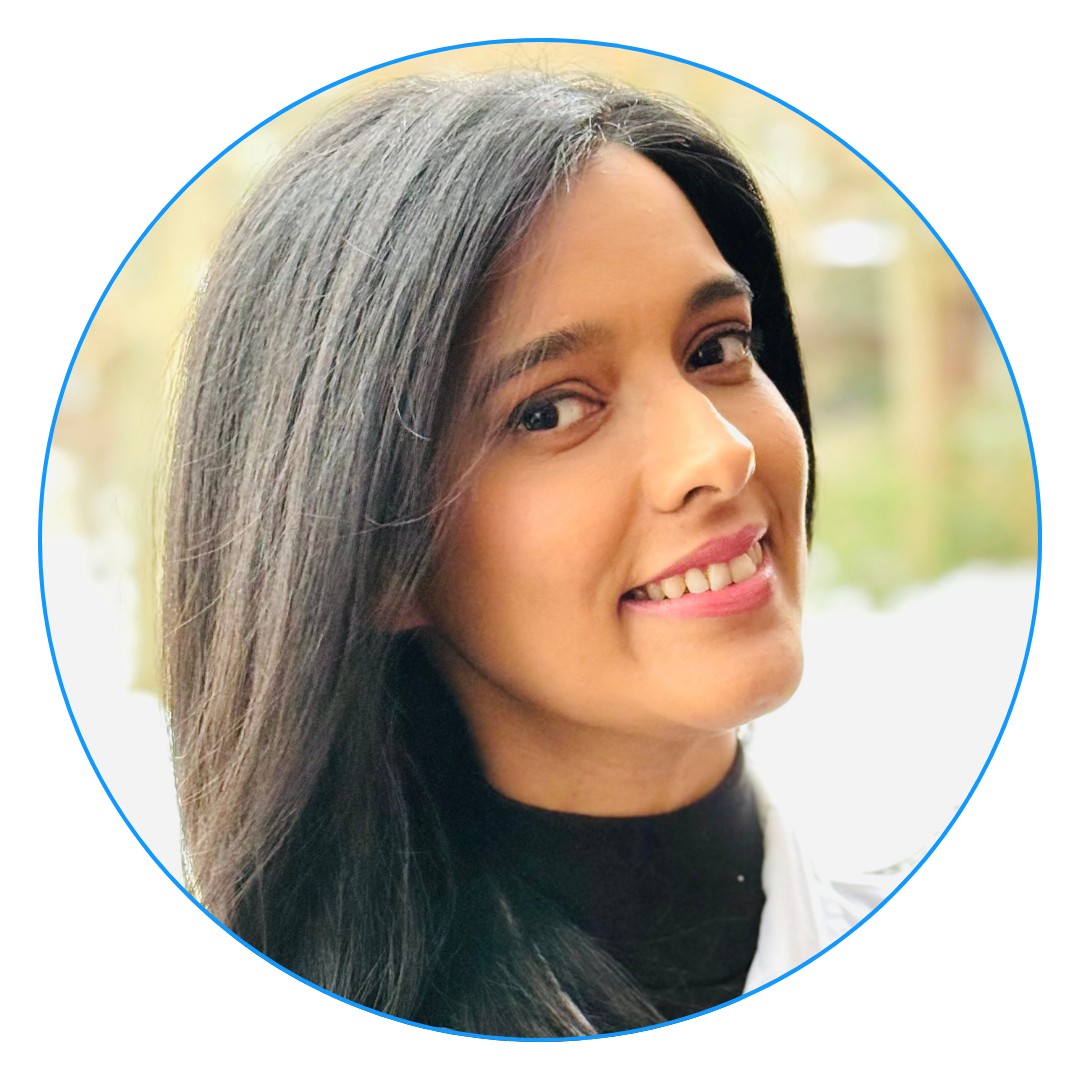
Dr. Kadambari Rawal, “Dr. Kady” to her patients, sixteen years into a career rooted in geriatric dental medicine, spoke about the public health gap she sees every day: poor access to dental care for older adults, and how that gap affects the quality of life of vulnerable older adults at the end of life. She named it for what it is, a major public health issue that is often overlooked, and made the case for filling it.
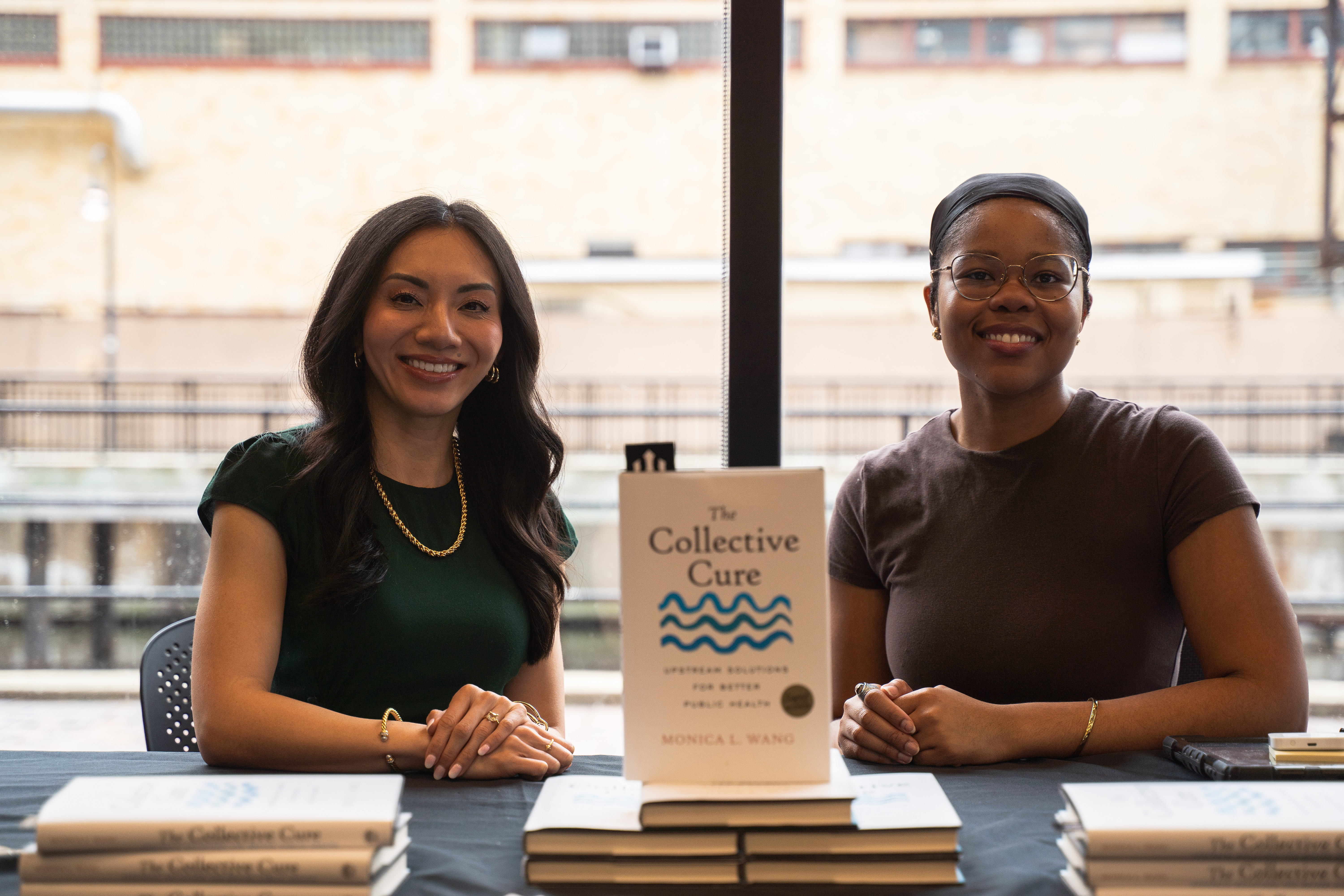
2023 40 Under 40 Public Health Catalyst Showcases New Book
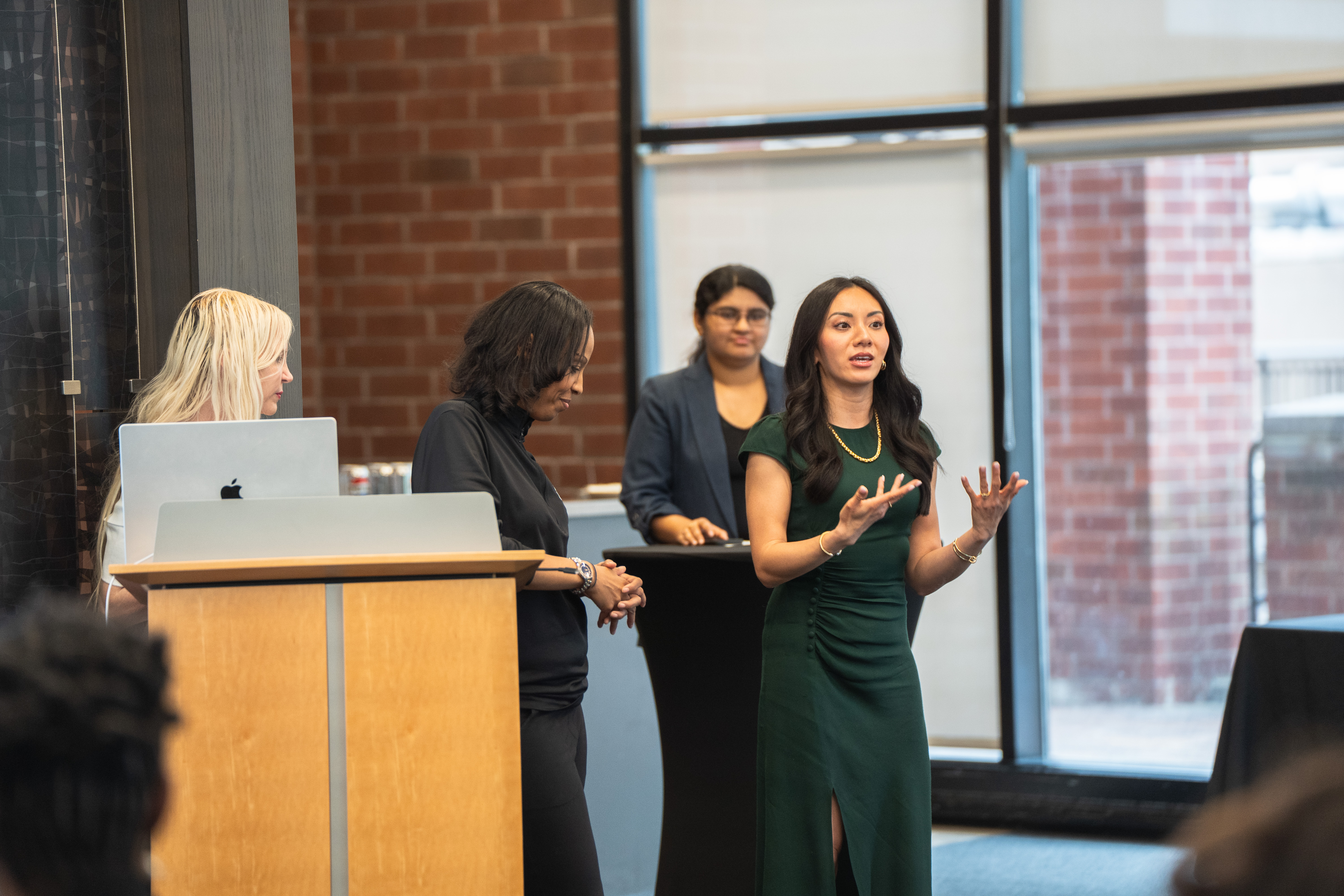
Dr. Monica L. Wang’s book, The Collective Cure: Upstream Solutions for Better Public Health, blends personal narrative with rigorous research to explore how our everyday environments, where we live, work, and connect, shape our well-being. Weaving the stories of three women alongside her own journey as an Asian American first-generation student, Dr. Wang highlights how social determinants of health shape outcomes long before a person ever visits a clinic. It is a powerful, hopeful call to action for building healthier communities from the ground up.
The Health Justice Scholars Competition
The 2026 Health Justice Scholars Competition, the BCPH student call to Lead. Inform. Inspire Solutions., asked one prompt: What is today’s number one public health issue, and how would you solve it? The four finalist entries were selected from a national pool and presented their public health solutions live during the gala program.
2026 Finalists
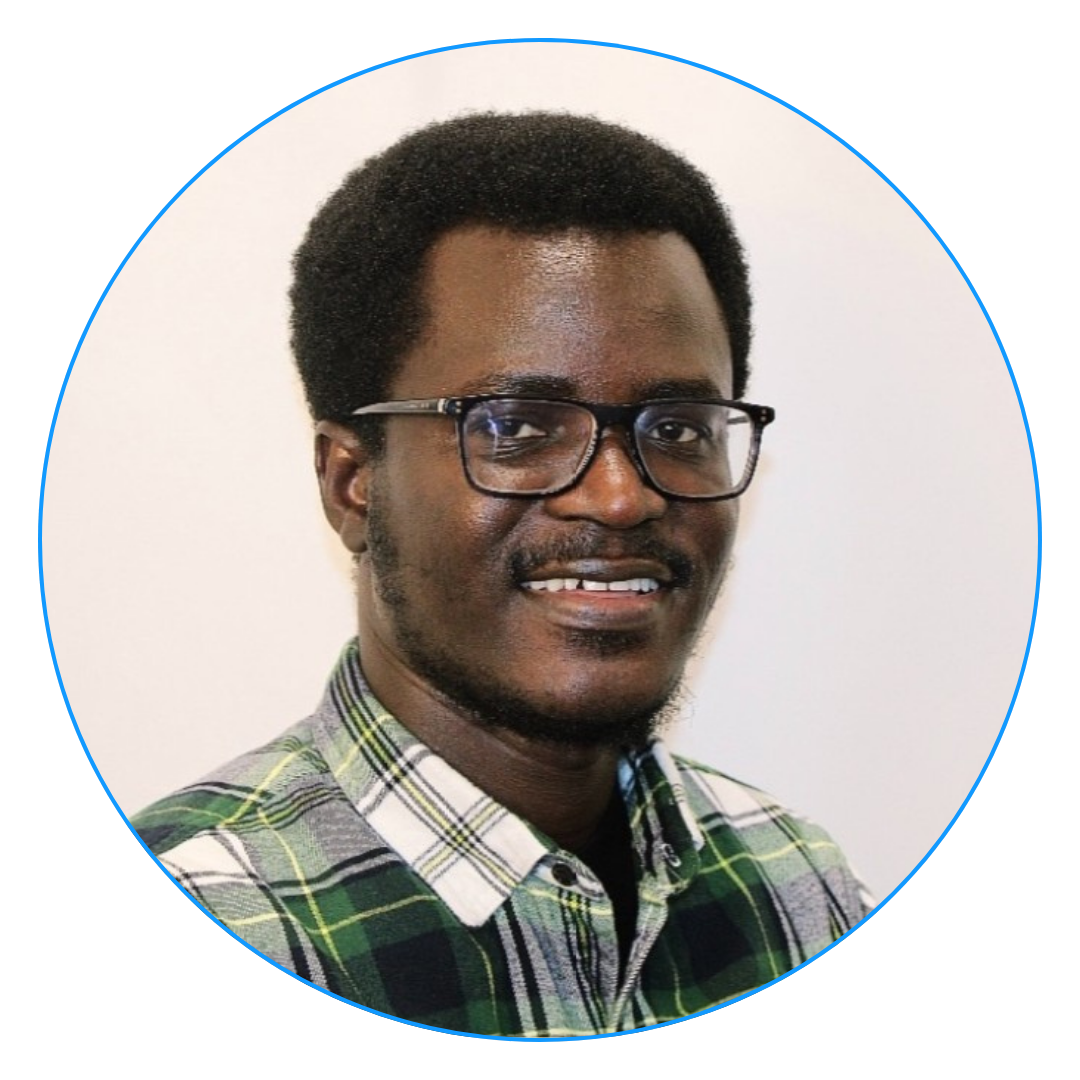
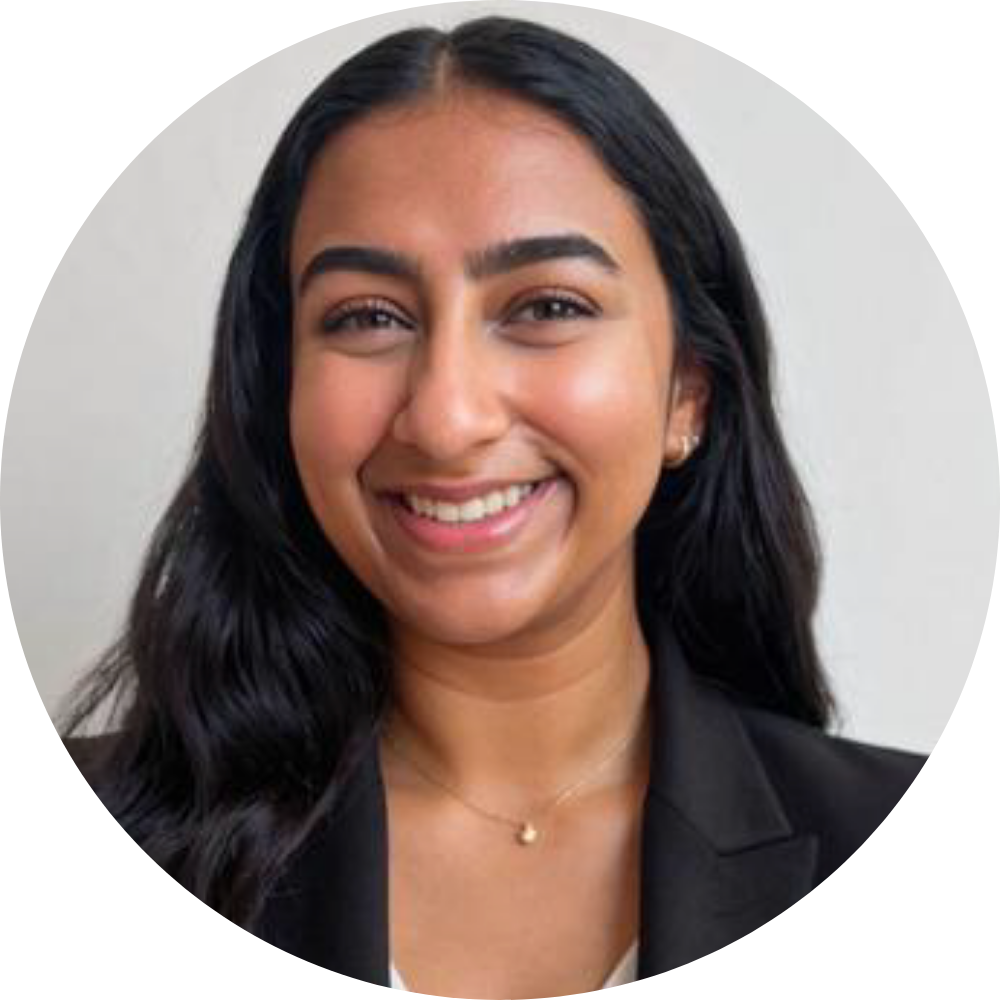
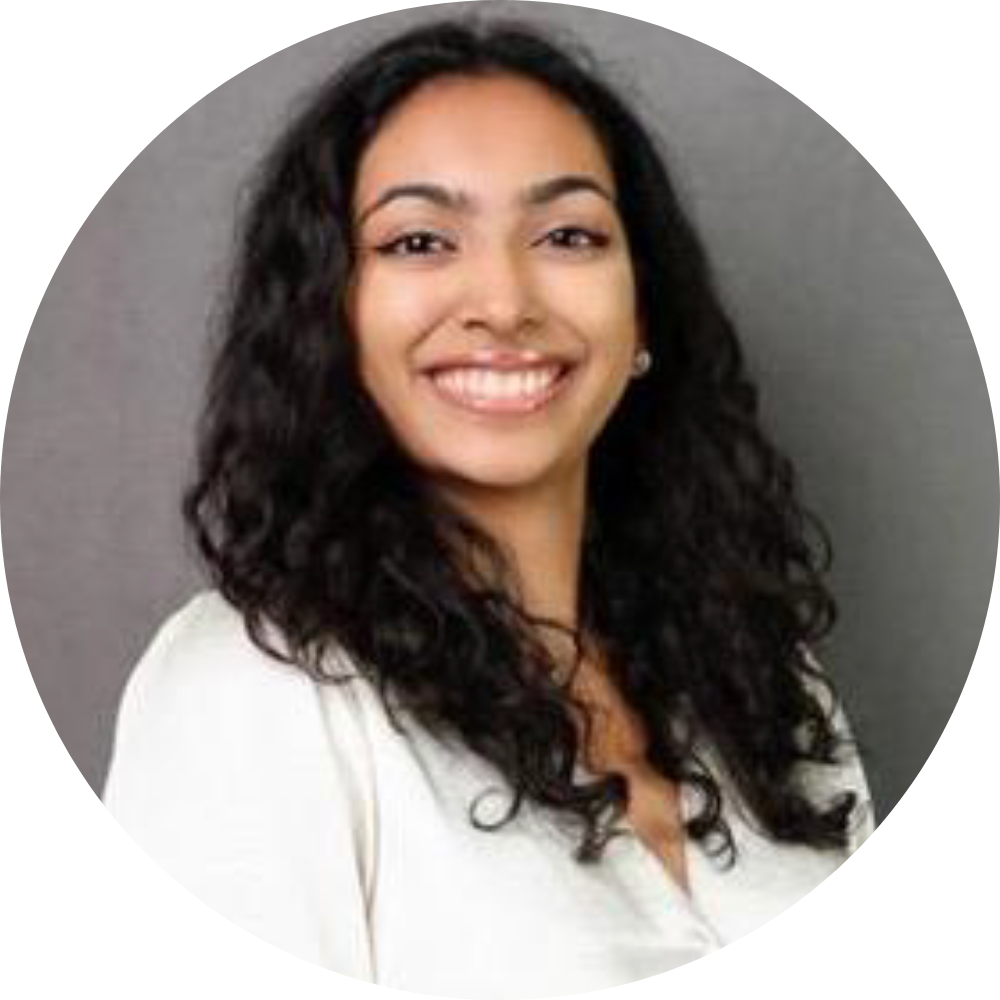
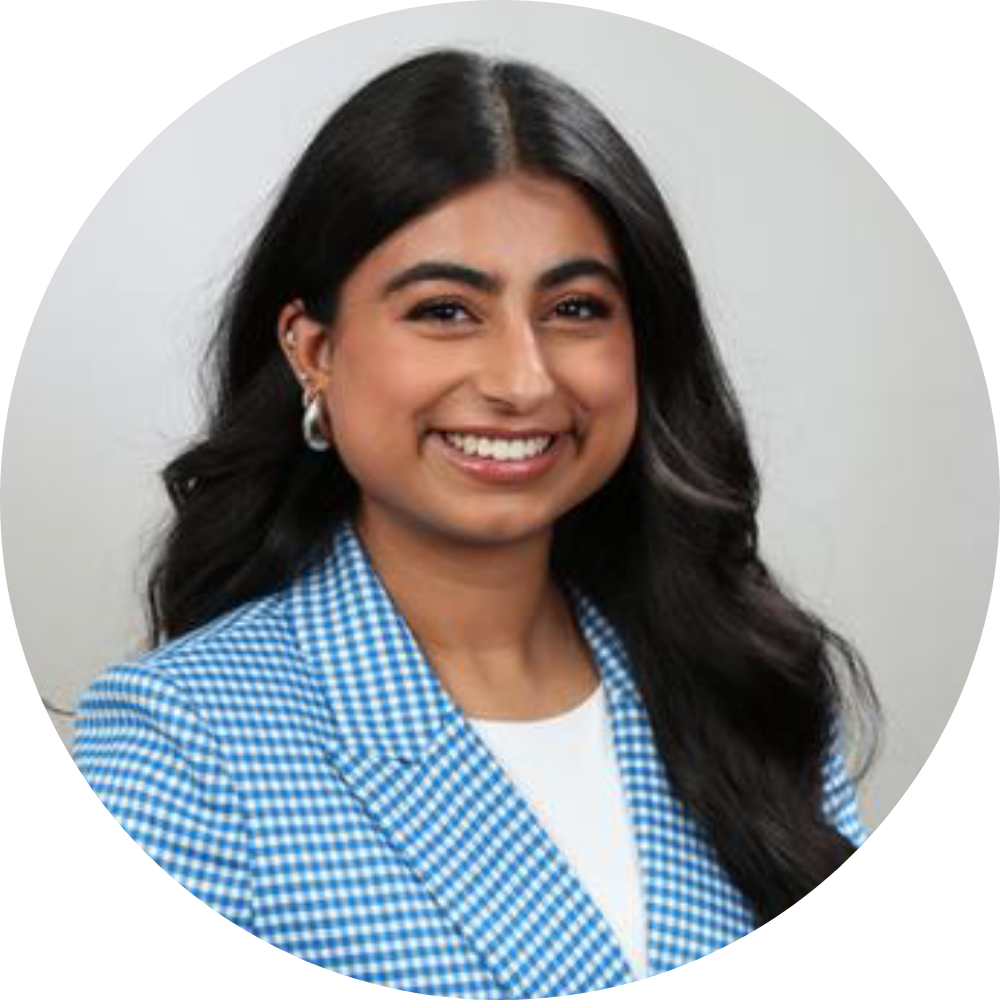
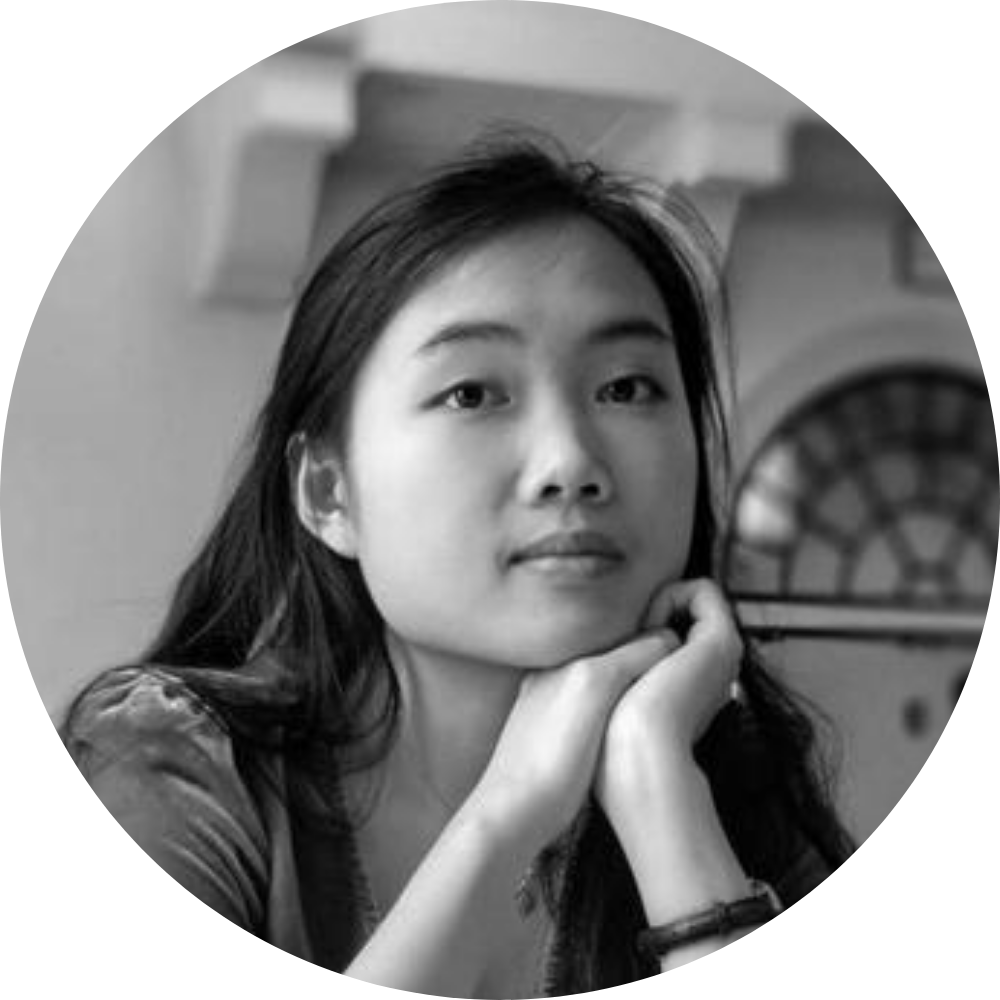
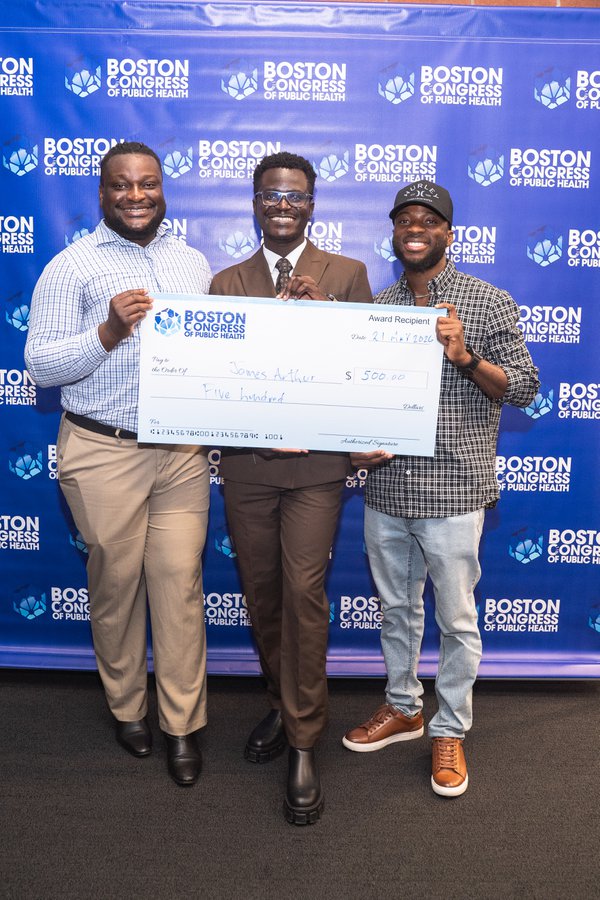
James Arthur named mental health inequity as the number one public health issue of our time, not mental illness itself, but the unequal access to safety, dignity, treatment, and hope. He called for three shifts: bringing mental health care into the communities where people already are (schools, churches, workplaces, libraries); building a culturally responsive workforce; and moving from crisis response to prevention.
“We must stop treating mental health care as a luxury service and start treating it like infrastructure, the same way we invest in roads, clean water, or emergency response.” James Arthur, MPH, first prize
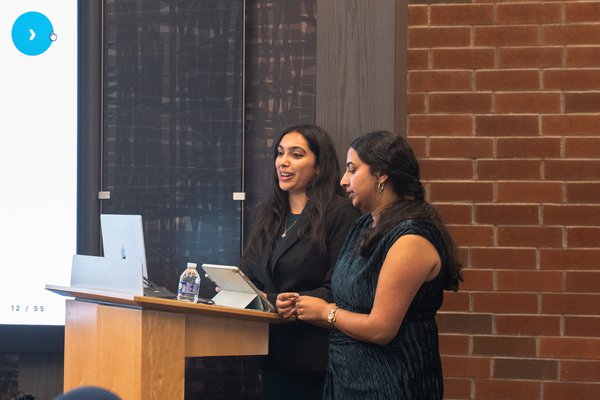
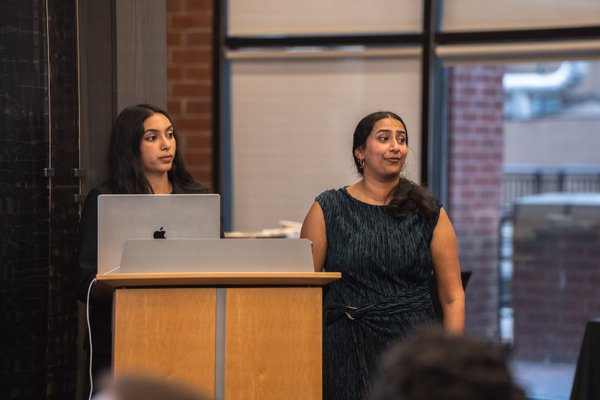
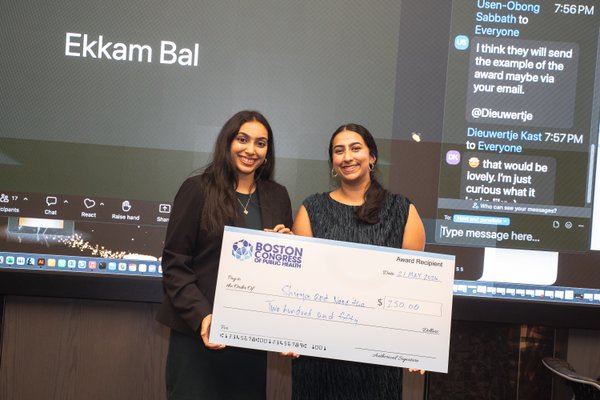
Shriya Veluri and Nanditha Niranjan of UT Health Houston presented Moving from “Sick-Care” to True Health, proposing a Prevention Budget Rule: a federal mandate requiring every hospital system to reinvest a protected share of its budget upstream, into housing, food access, active infrastructure and social connection, and mobile preventive care for underserved communities, before disease ever begins. They cited a Pew Charitable Trusts analysis showing every dollar invested in prevention can return roughly fourteen dollars in medical and societal savings.
“The best hospital in the world cannot compete with a safe home, a healthy school lunch, clean air, and a strong community.” Shriya Veluri and Nanditha Niranjan, second prize
Josephina Lin, an MS/MPH candidate at the Harvard T.H. Chan School of Public Health and Harvard Medical School, discussed mental health care.
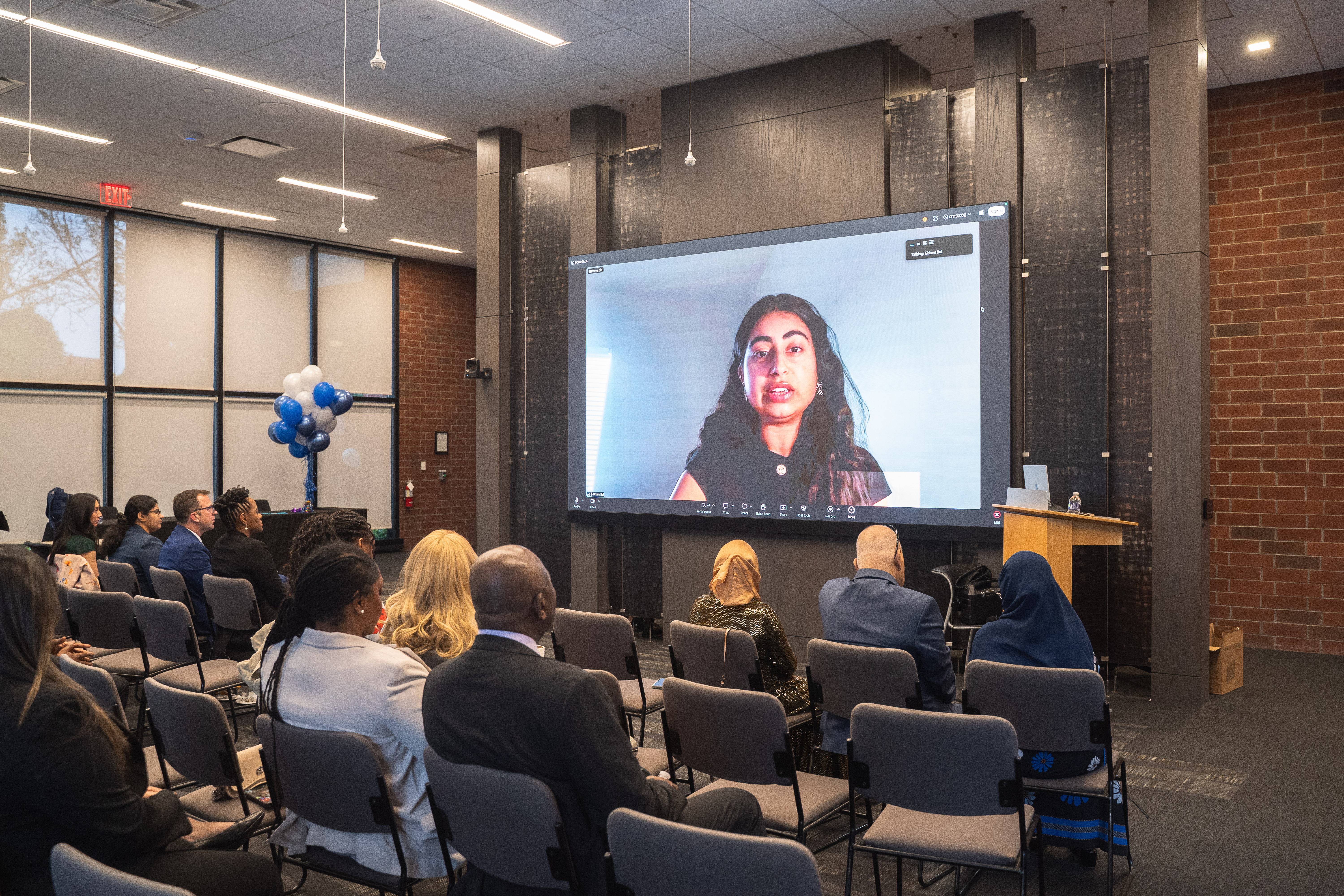
Ekkam Kaur Bal, a DMD candidate at Roseman University of Health Sciences, also presented as a finalist. She spoke about her younger brother, who has Lennox-Gastaut Syndrome and is non-verbal, and the gap she has seen between the compassion of support workers and the specialized training they often lack. She proposed a Specialized Support Matching and Certification Program: targeted training tied to the conditions caregivers will actually encounter, a thoughtful matching system that pairs children with caregivers prepared for their specific needs, and ongoing accountability and growth for the workforce.
“Every child deserves care that understands them, protects them, and helps them thrive. The question is not whether we can do better. It is whether we are willing to.” Ekkam Kaur Bal, finalist
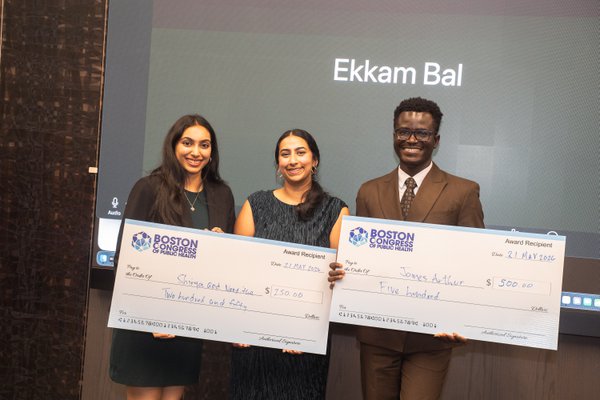
First prize ($500) went to James Arthur, a Mental Health Therapist at Ballad Health’s Woodridge Hospital and a Clinical Mental Health Counseling MA candidate at ETSU. He focuses on HIV prevention and sexual minority mental health in Appalachia.
Second prize ($250) went to Shriya Veluri and Nanditha Niranjan as a partner entry. Third place went to Josephina Lin.

The 40 Under 40
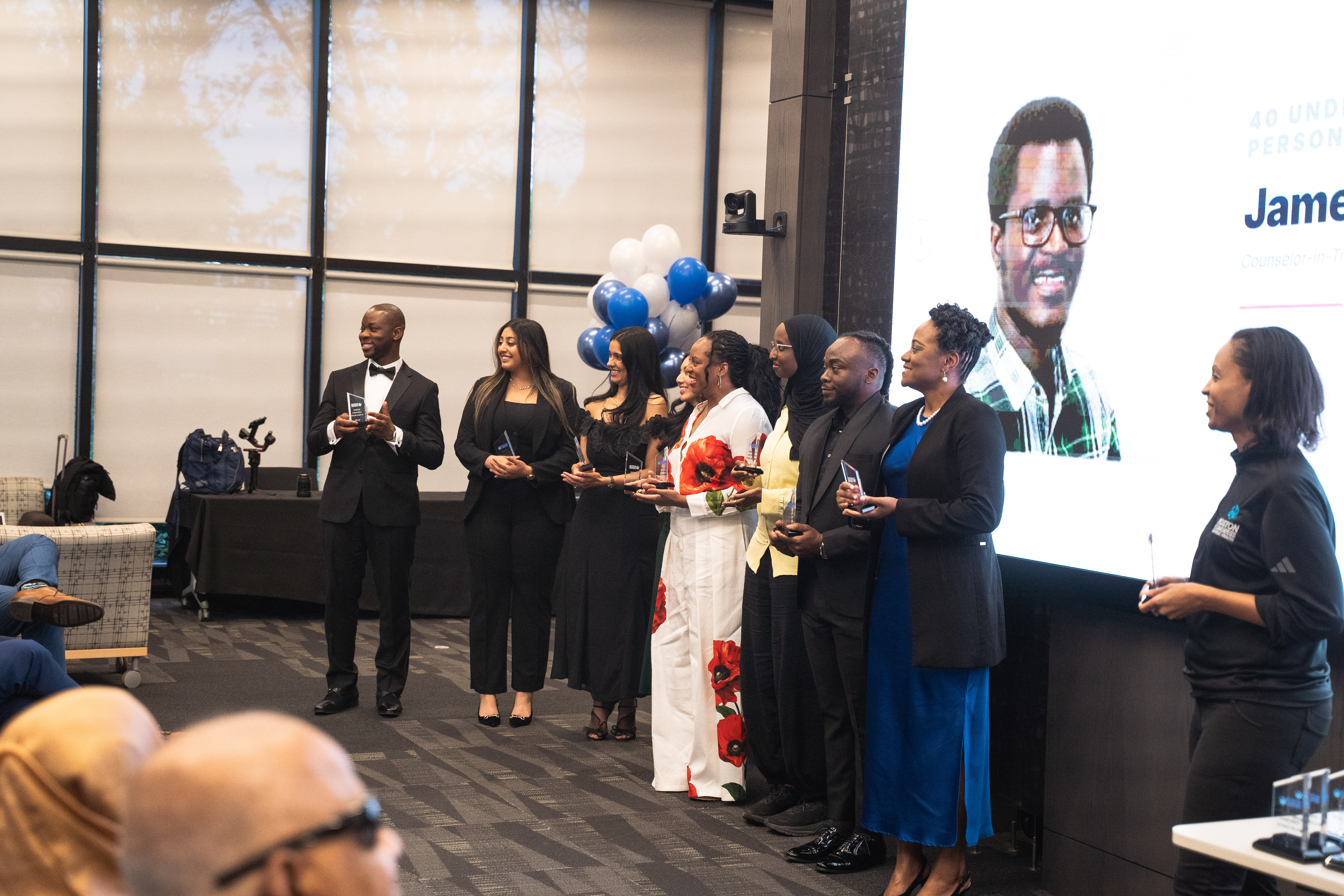
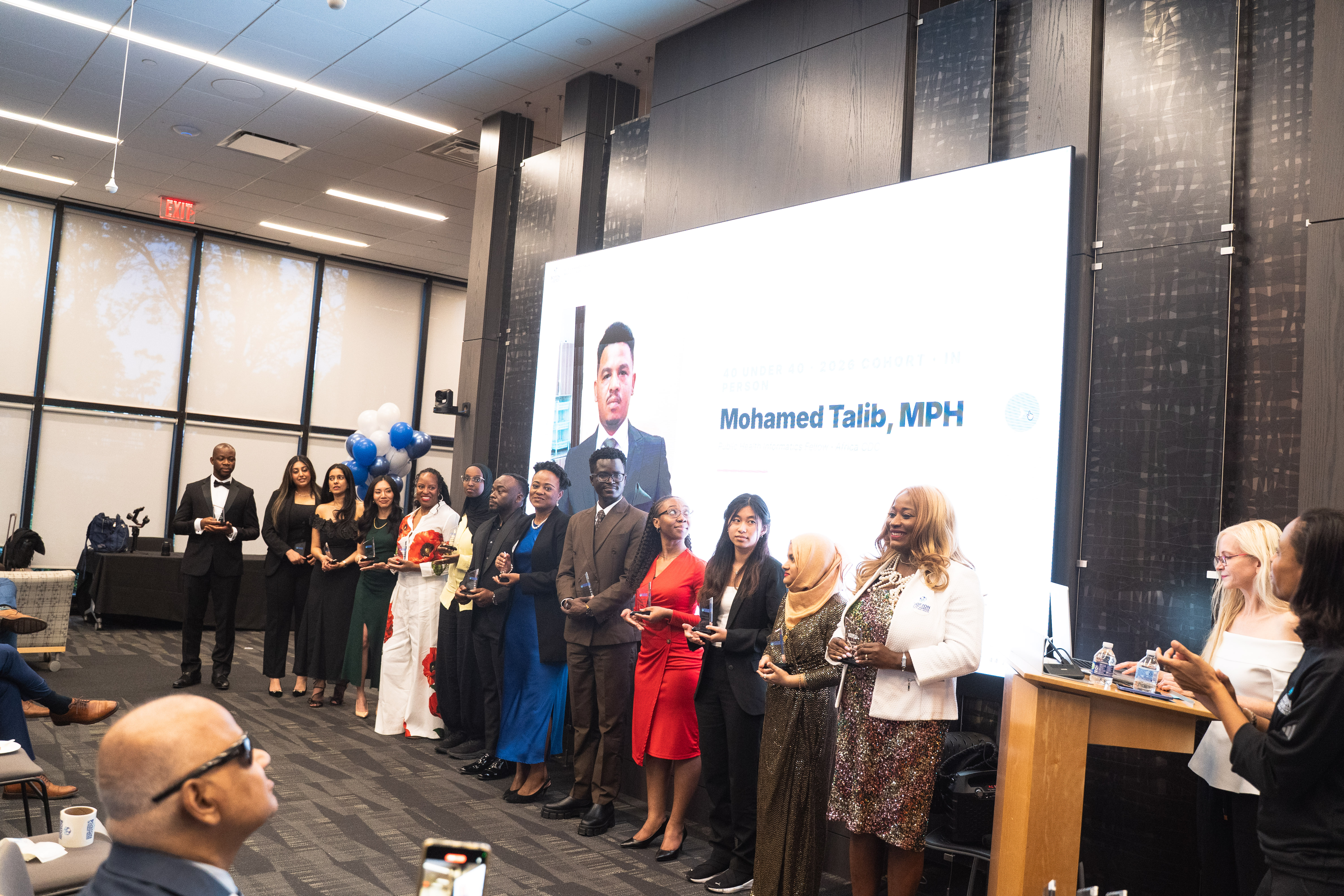
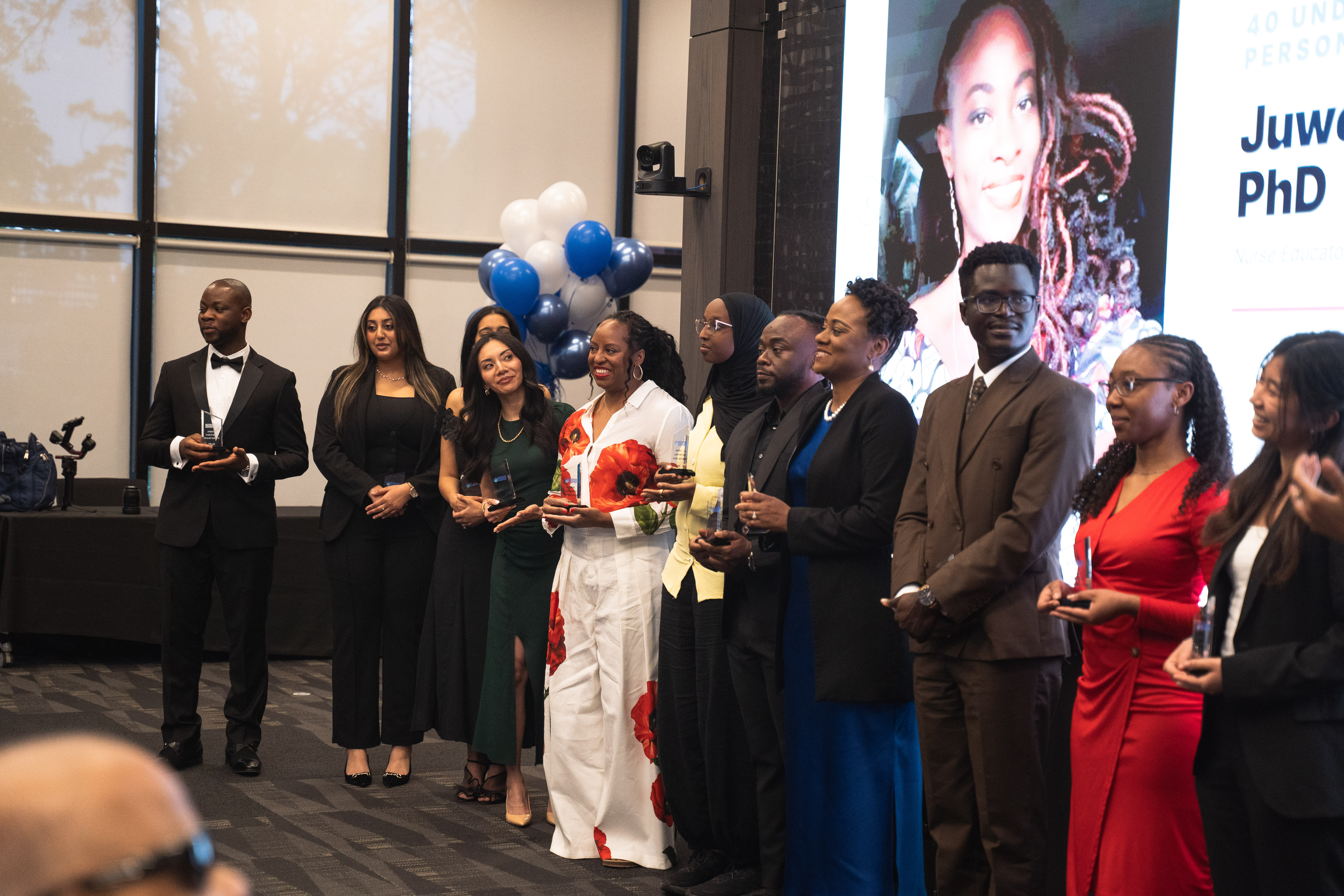
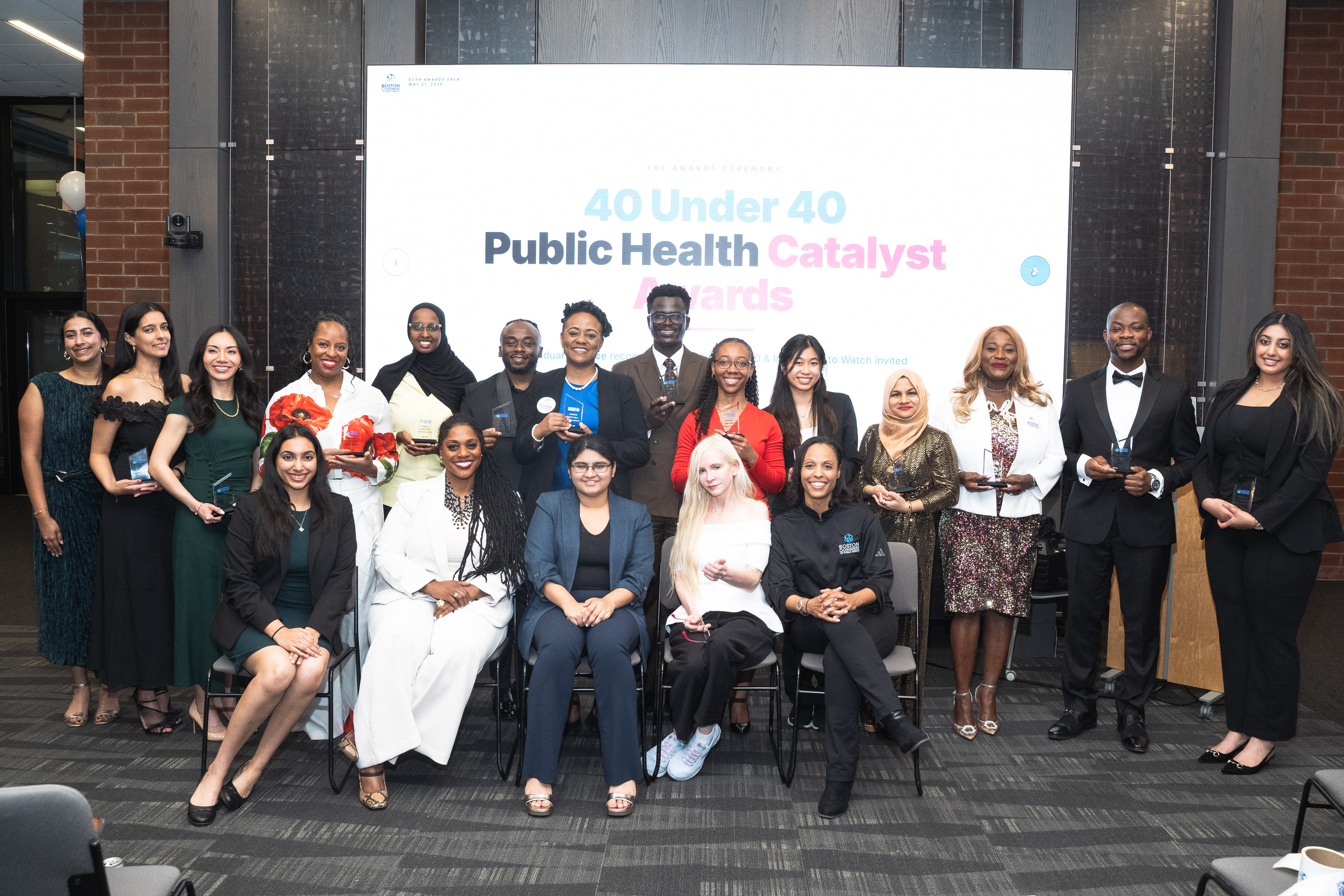
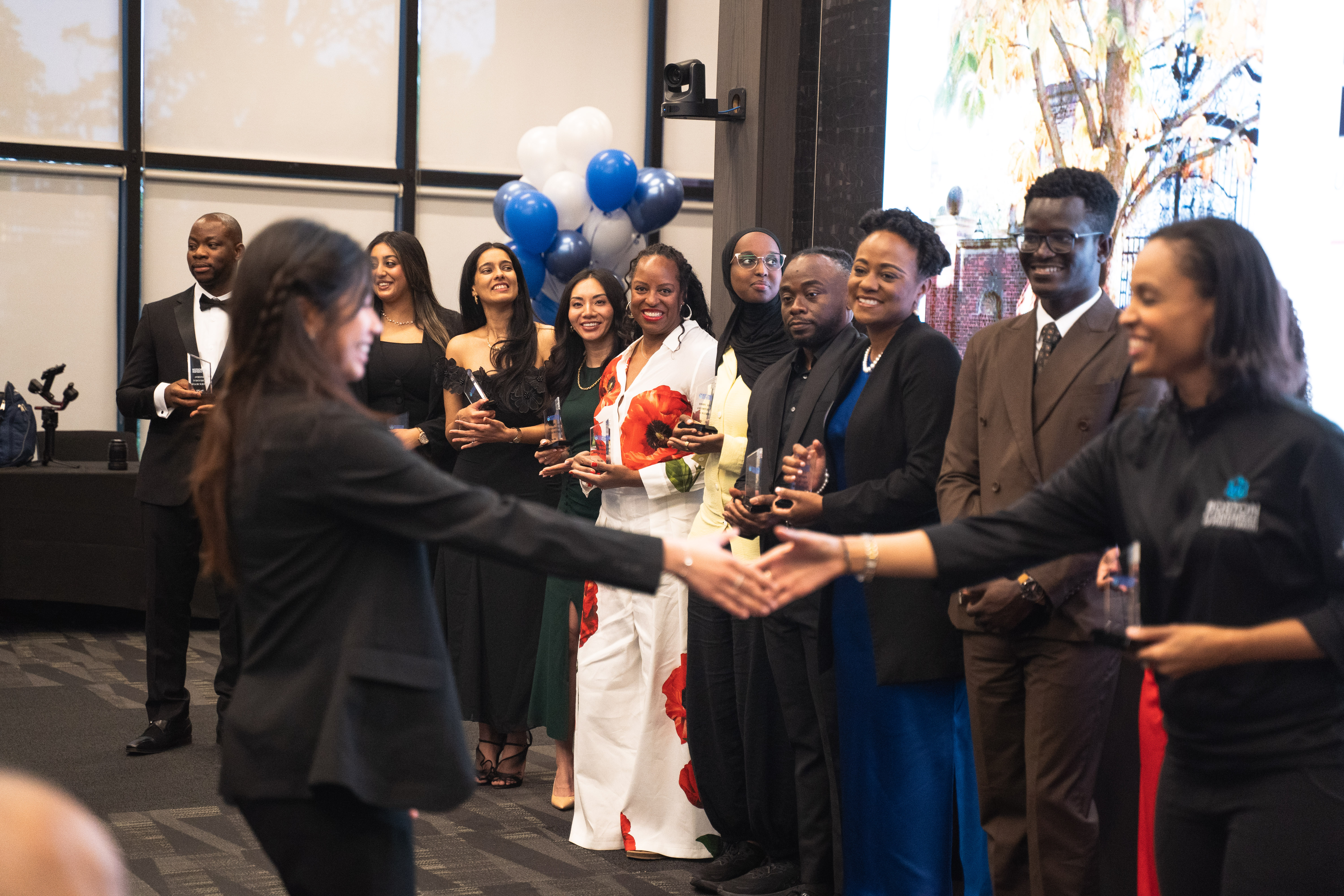
The largest stretch of the evening belonged to the honorees themselves. This year was less a single cohort and more a five-year reunion: the classes of 2022, 2023, 2024, 2025, and 2026, gathered together, alongside past Health Innovators to Watch invited back for the occasion. Each honoree was called individually to the stage and given the small but real ceremony of being named. Looking out across the room, the work of half a decade stood up at once.
2022 Cohort
-
Dr. Kadambari Rawal, BDS, CAGS, MSD, FASGD, FACD, FICD, FPFA, Clinical Associate Professor, BU Henry M. Goldman School of Dental Medicine
2023 Cohort
-
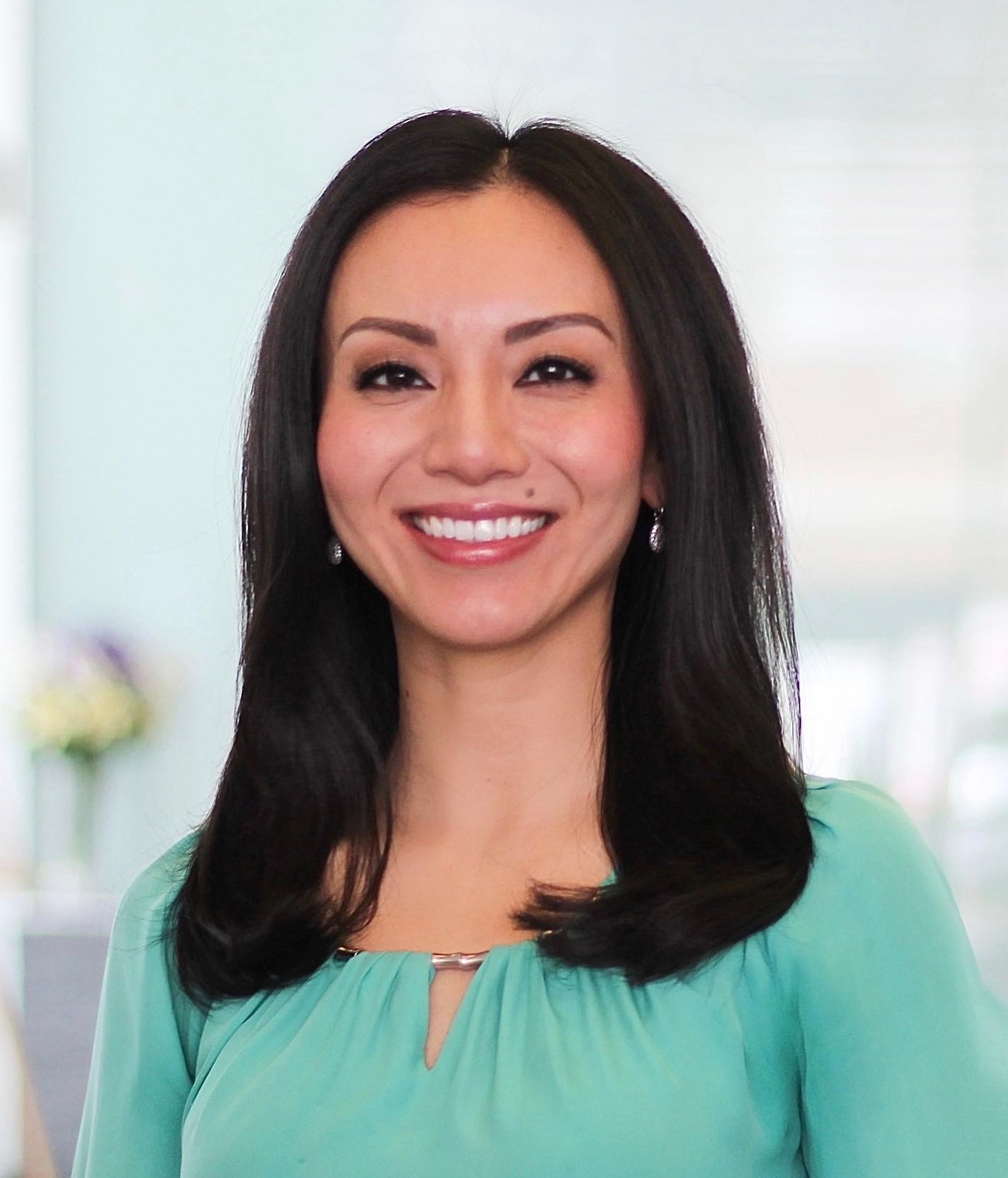 Monica Wang, ScD, MS, Associate Professor, Boston University School of Public Health
-
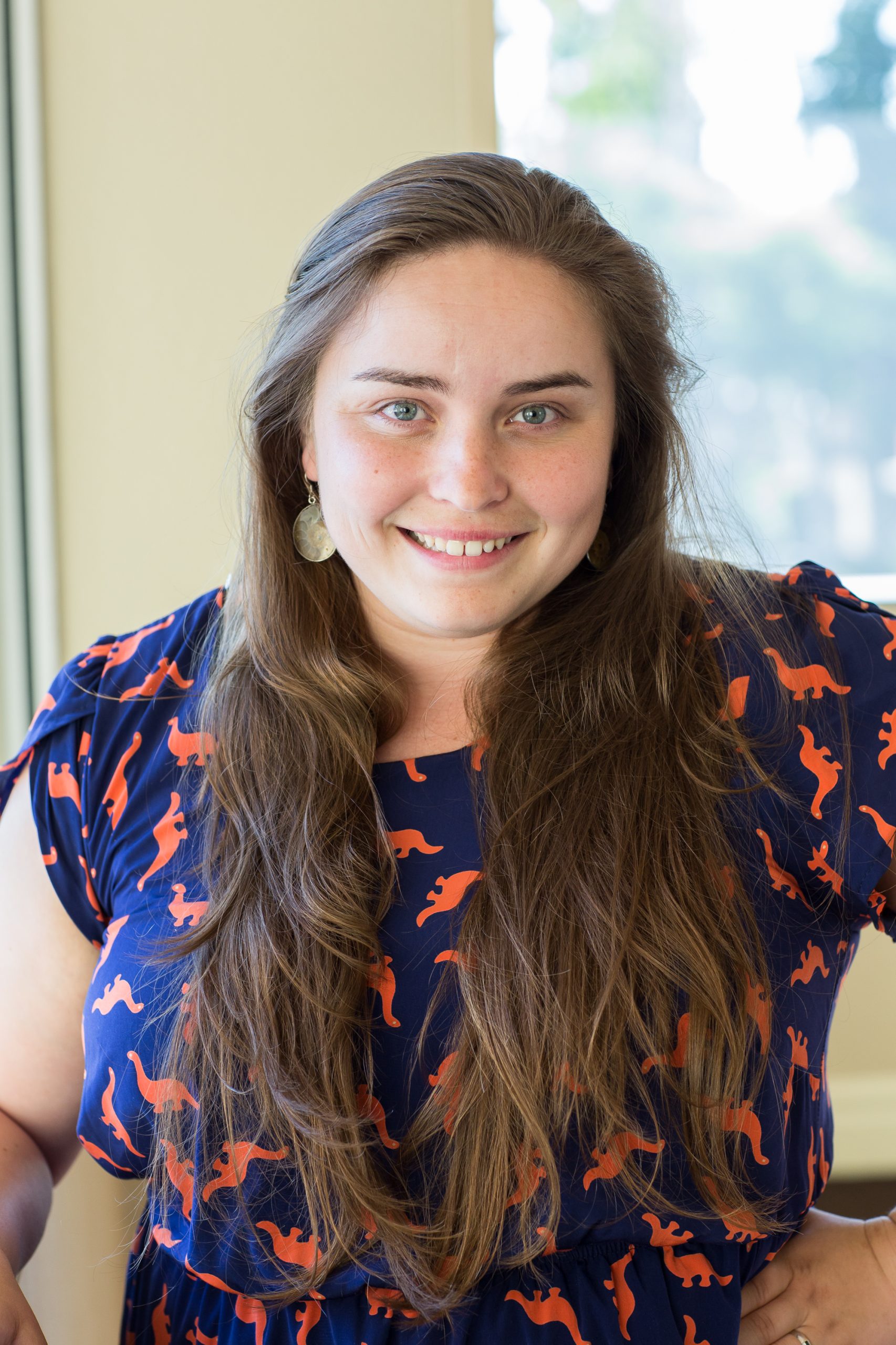 Dr. Dieuwertje Kast, EdD, Director of STEM Education Programs, USC Joint Educational Project Virtual
2024 Cohort
-
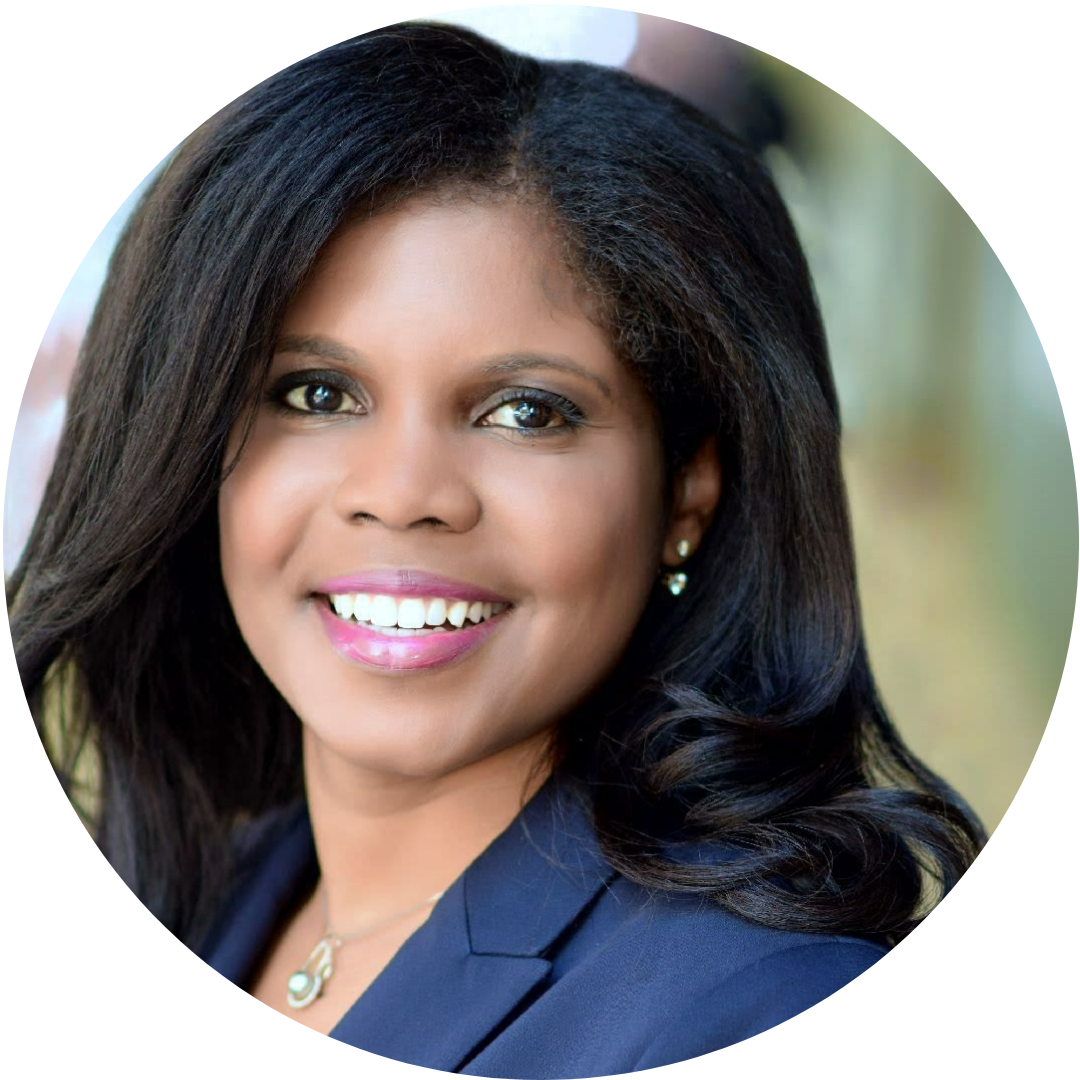 Nadine Spring, PhD, MPH, MSCR, CEO & Founder, SpringWell360 LLC Virtual
2025 Cohort
-
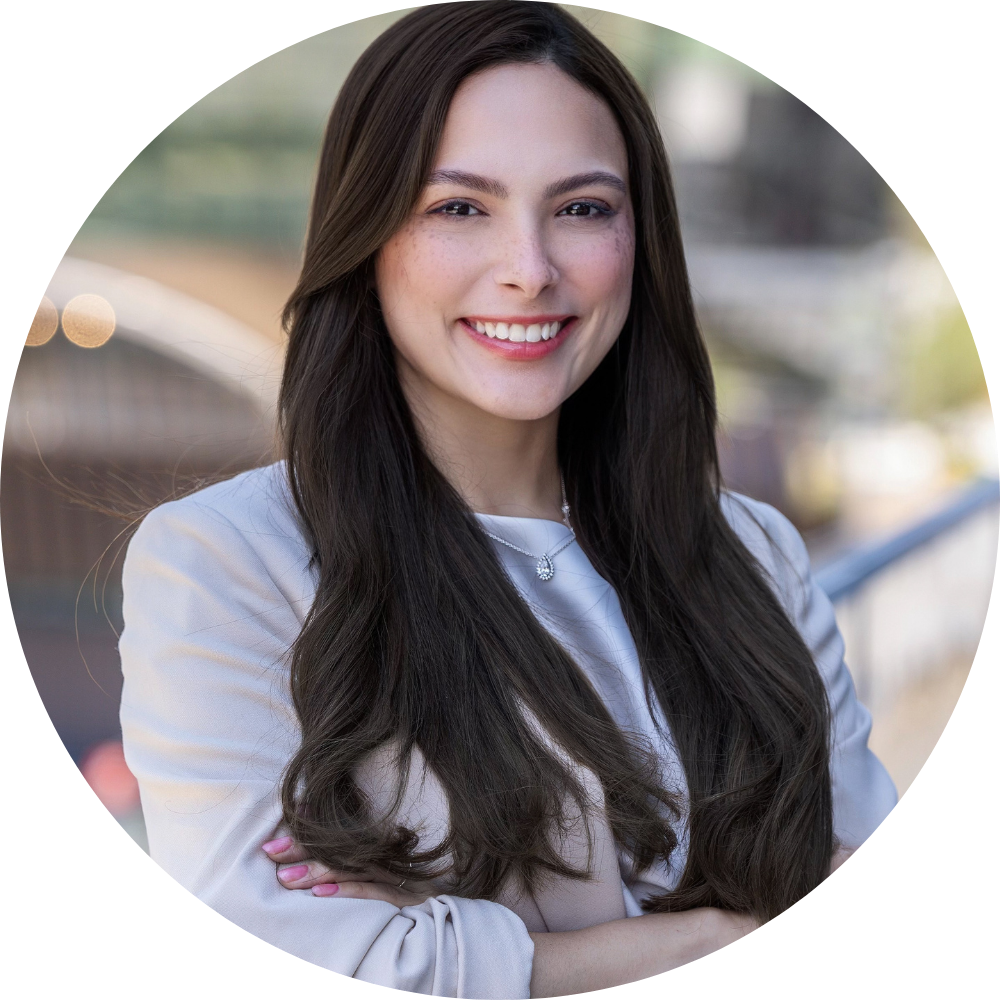 Camila V. Blair, MD, Postdoctoral Research Fellow, Brigham and Women’s Hospital · Harvard Medical School
-
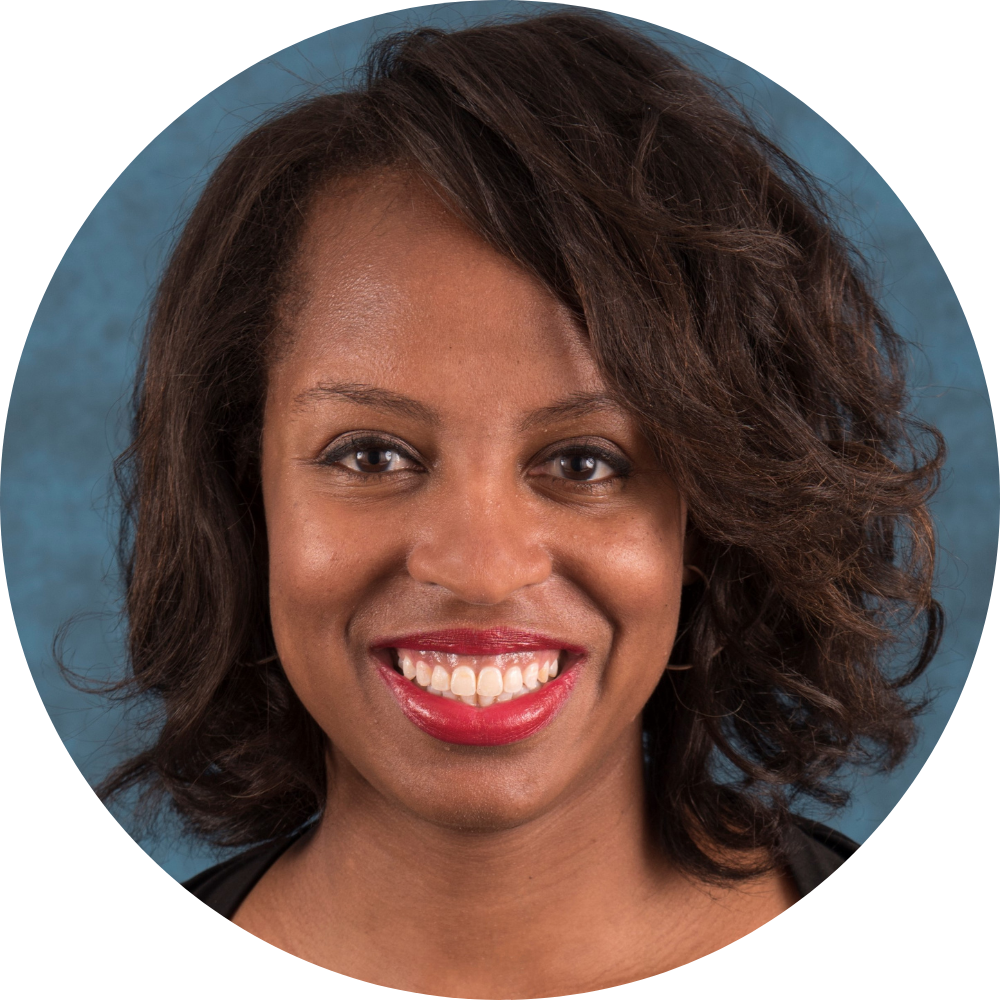 Miya Cain, MPP, Associate Director, FSG
-
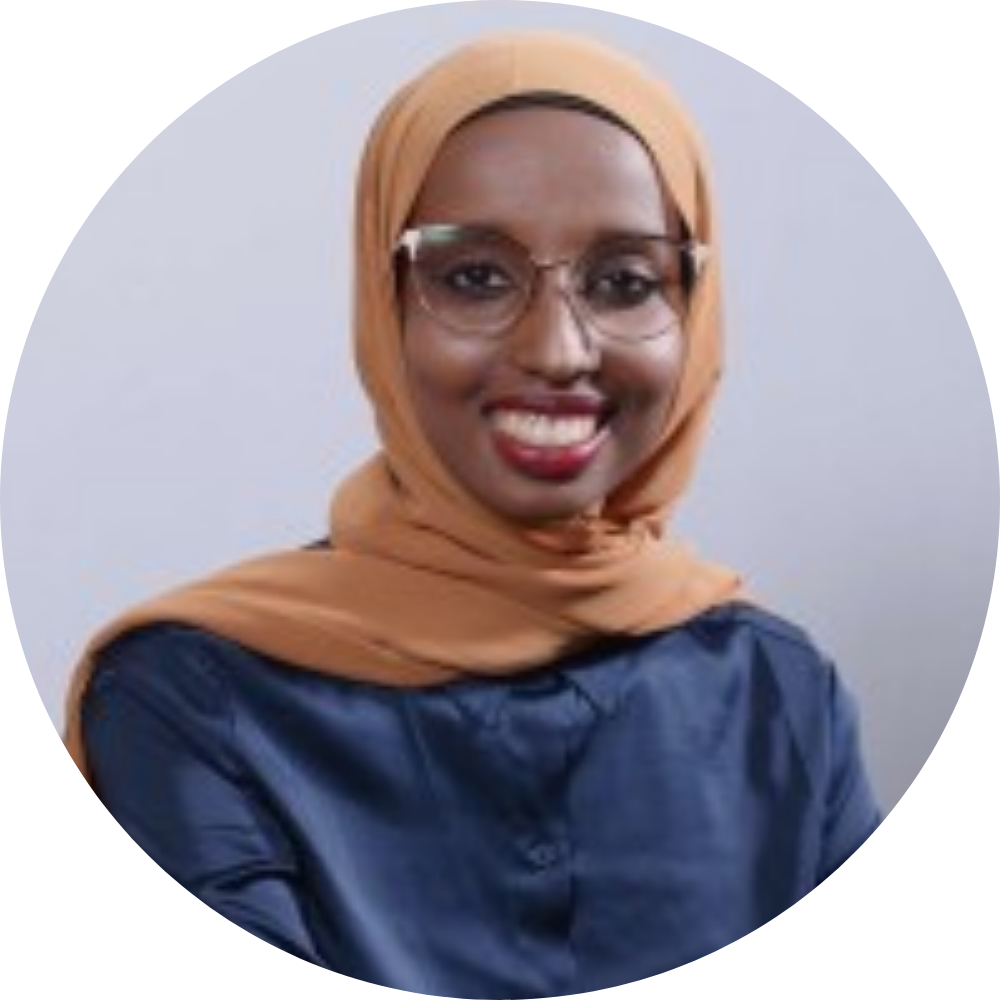 Sirad Hassan, MS, PhD Candidate, Harvard University
-
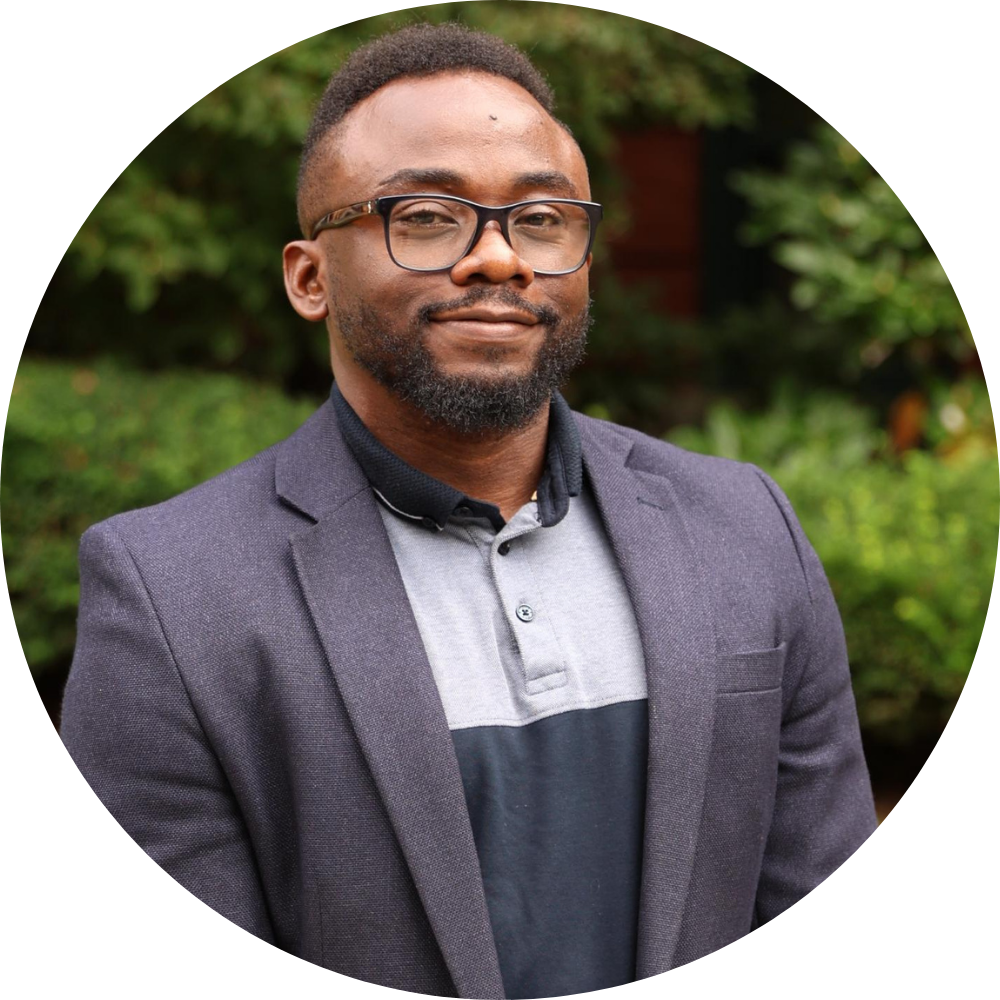 Dr. Ifeanyi Stanley Muoghalu, MD, MSc, DTMPH · Doctoral Researcher, Boston University
-
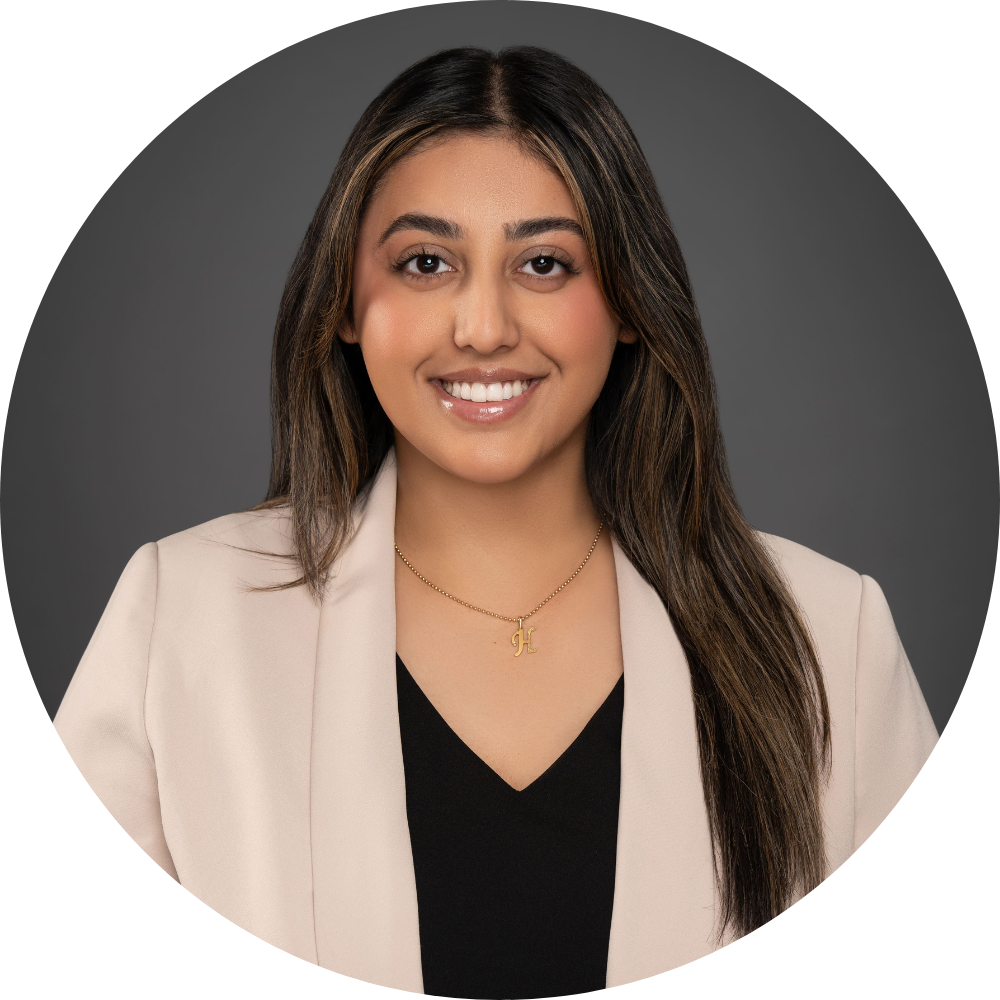 Harneet K. Cheema, BSc, MD Candidate, T.H. Chan School of Medicine
-
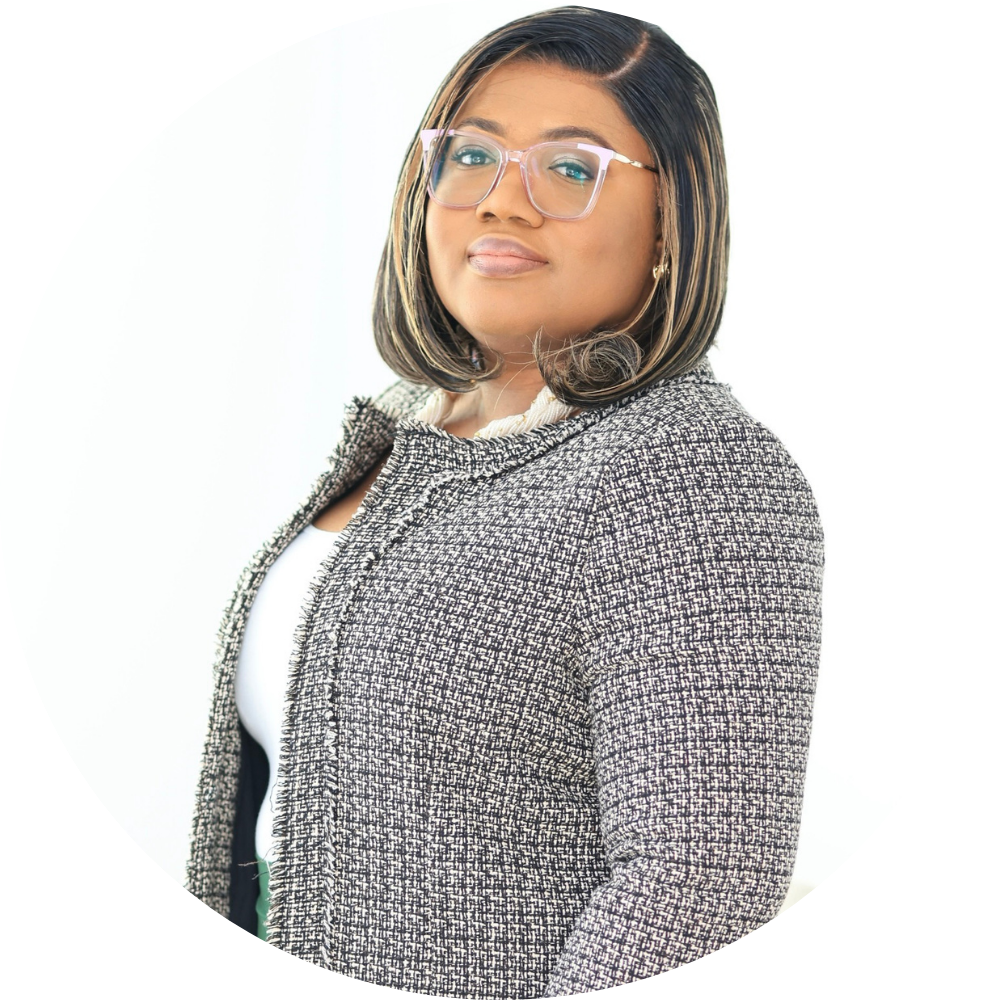 Emily Minkah-Premo, BPharm, MPH, PhD Fellow, Ohio State University
-
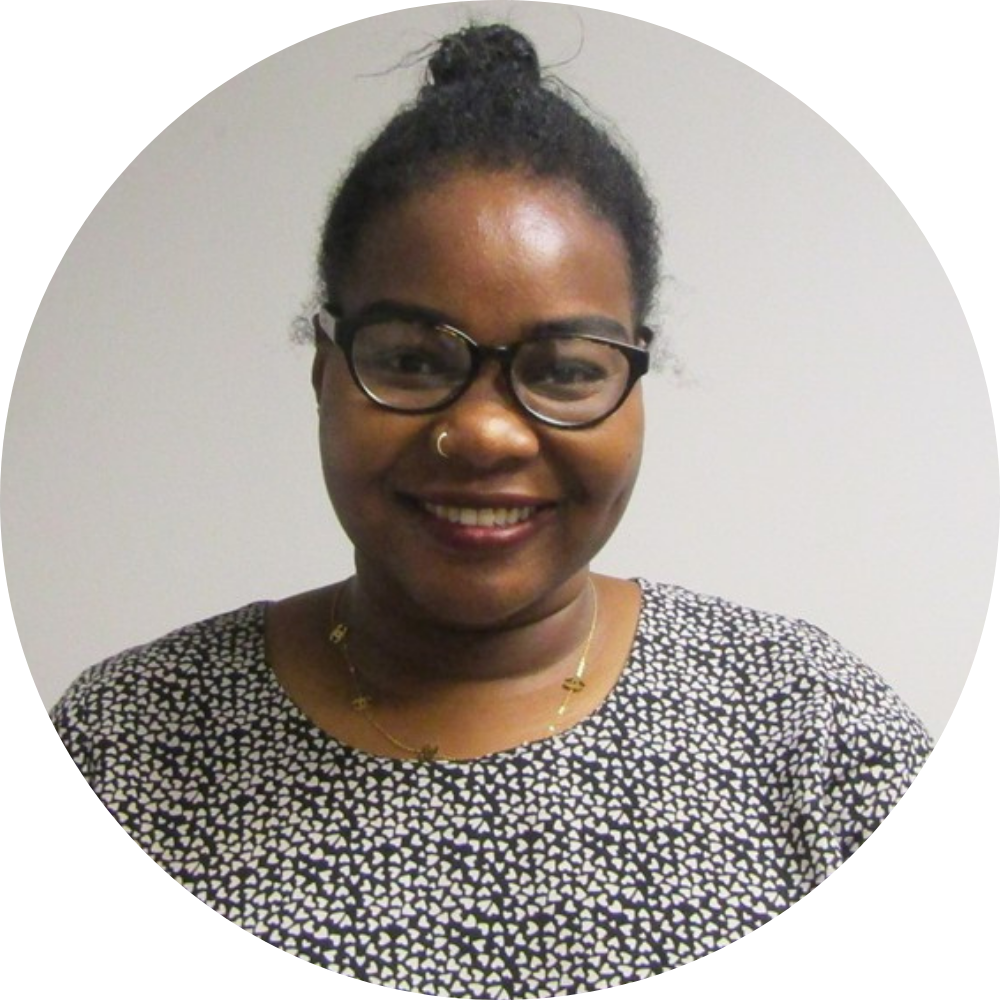 Salma Abdalla, MPH, Case Manager, MHMR of Tarrant County Virtual
2026 Cohort
-
Olabiyi Olaniran, MD, MPH, Clinical Research Fellow, BIDMC · PASSIO Laboratory (Keynote)
-
Juliet Siena Lumati, MD, MPH, FACS, FSSO, Surgical Oncologist, Northwestern University
-
James Arthur, MPH, Counselor-in-Training, East Tennessee State University (Competition finalist)
-
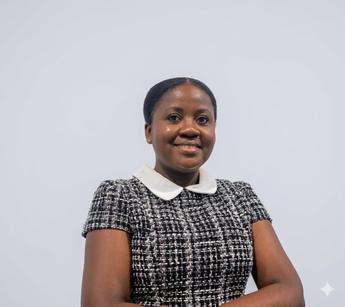 Bridget Efua Martin, MBChB, MPH, HUB Counselor & Researcher, BayMark Health Services
-
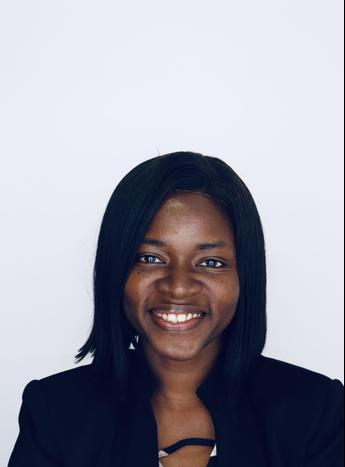 Maame Araba Oduro, MD, MPH, Researcher · Operations Specialist, Thrive Lab, Generator Health
-
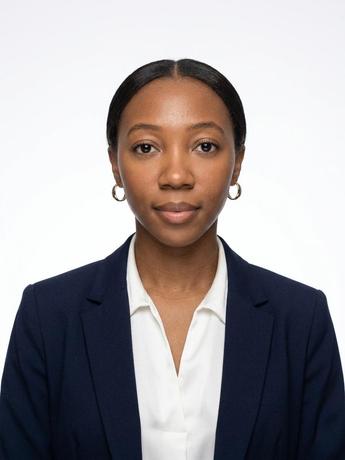 Udochukwu Iheanyichi, MBBS, MPH, Deputy Director, Quality and Administrative Operations, Community Caring Clinic
-
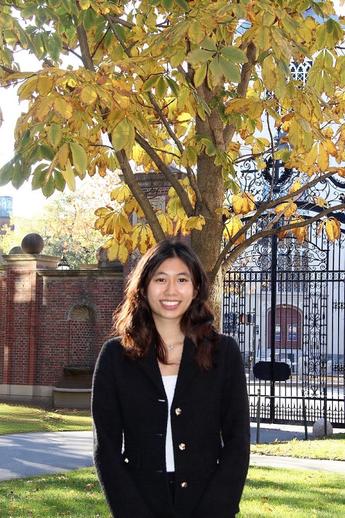 Natasha Kulviwat, BA/BS, Undergraduate Student, Harvard University
-
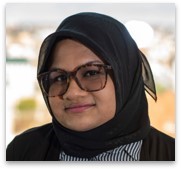 Musarrat Rahman, MPH, City Research Scientist, NYC Department of Health and Mental Hygiene
-
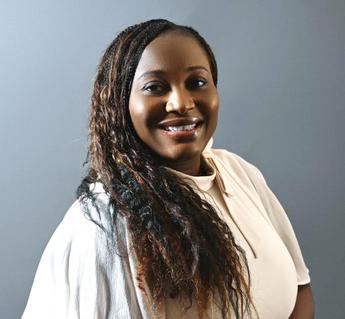 Oluwatosin Olateju, DrPH, MSN-CPHN, BSN, RN, Nursing Professor & MD State Public Health Commissioner, Coppin State University
-
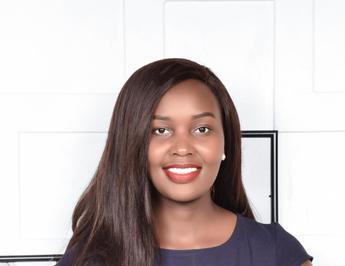 Getrude Jepchirchir, PhD, Mental and Public Health Consultant, University of Cape Town
-
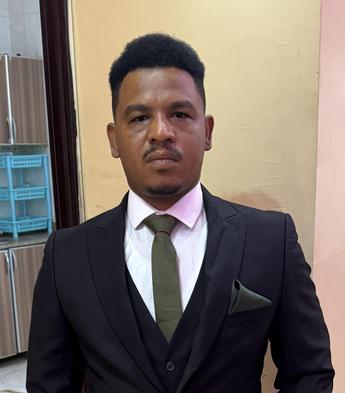 Mohamed Talib, MPH, Public Health Informatics Fellow, Africa CDC
-
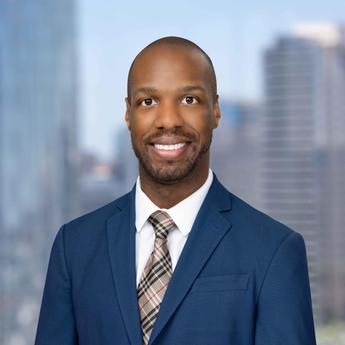 Morgan J. Grant, PhD, Postdoctoral Fellow, Johns Hopkins Bloomberg School of Public Health Virtual
-
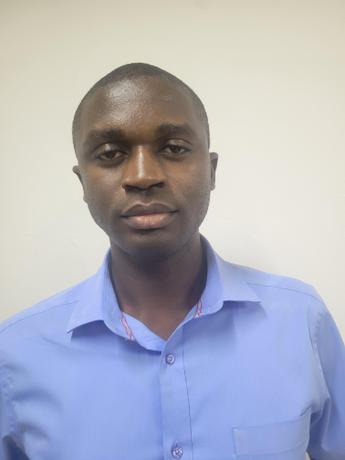 Nyeke James Tony, MSc, Biorisk Manager, MRC Unit The Gambia at LSHTM Virtual
-
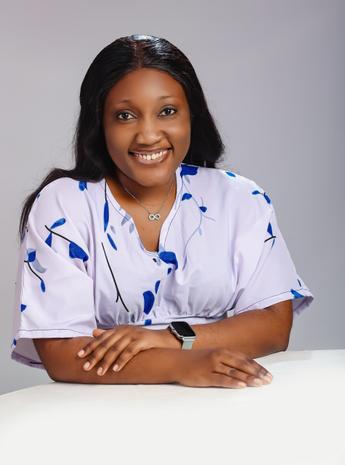 Opelopejesu Tolulope Owolabi, BSc, Consultant, PharmAccess Virtual
-
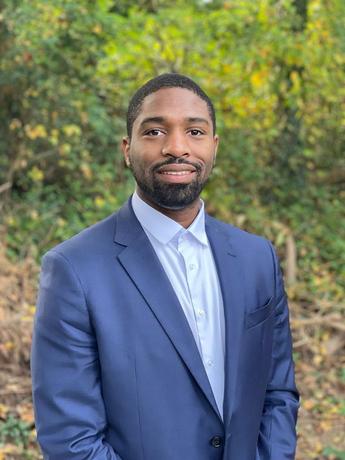 Alton Reid, MPH, Health Insurance Specialist, Federal Government Virtual
-
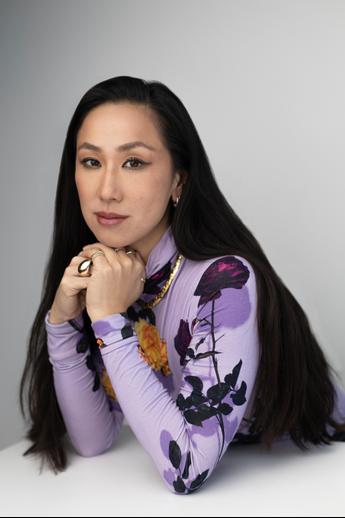 Yulin Hswen, ScD, Associate Professor, University of Maryland Virtual
-
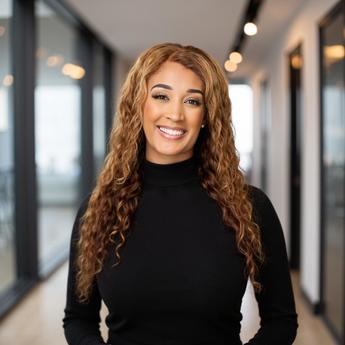 Marissa Robinson, DrPH, MPH, RPCV, CEO & Principal Consultant, Real Health Impact, LLC Virtual
The recognition felt like what it is meant to be: not a verdict on a career, but a marker on a road still being traveled, and a quiet reminder that the BCPH community is now five years deep into the people it has chosen to lift up.
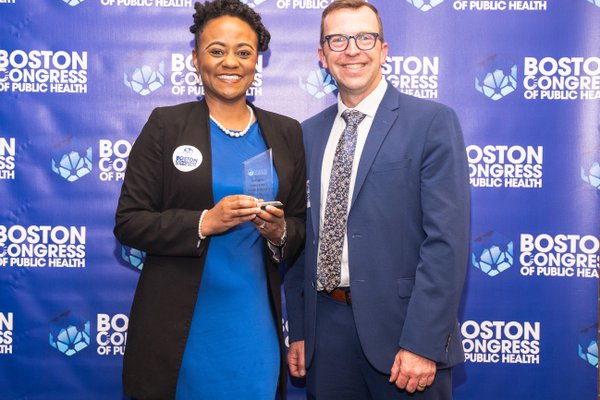
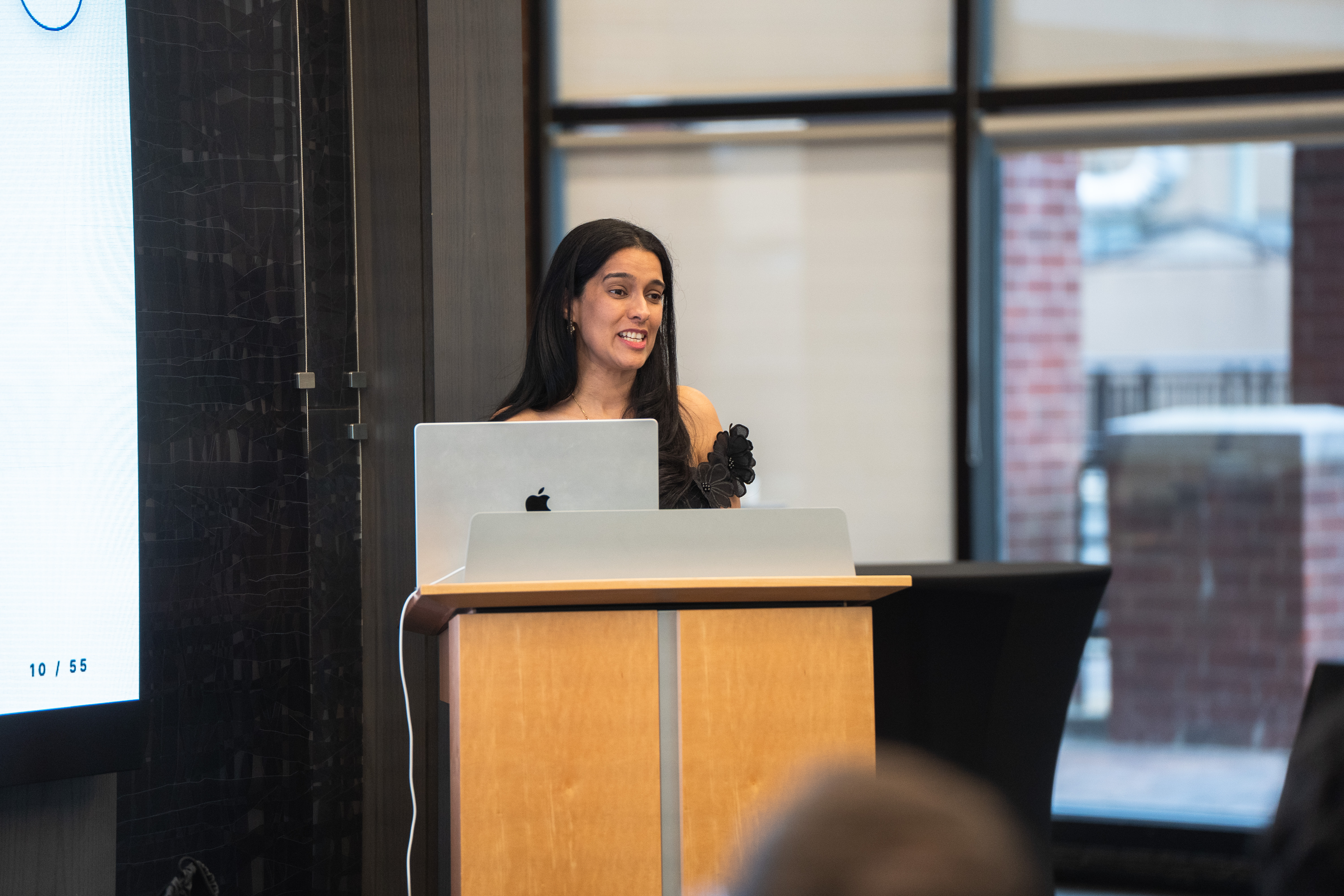
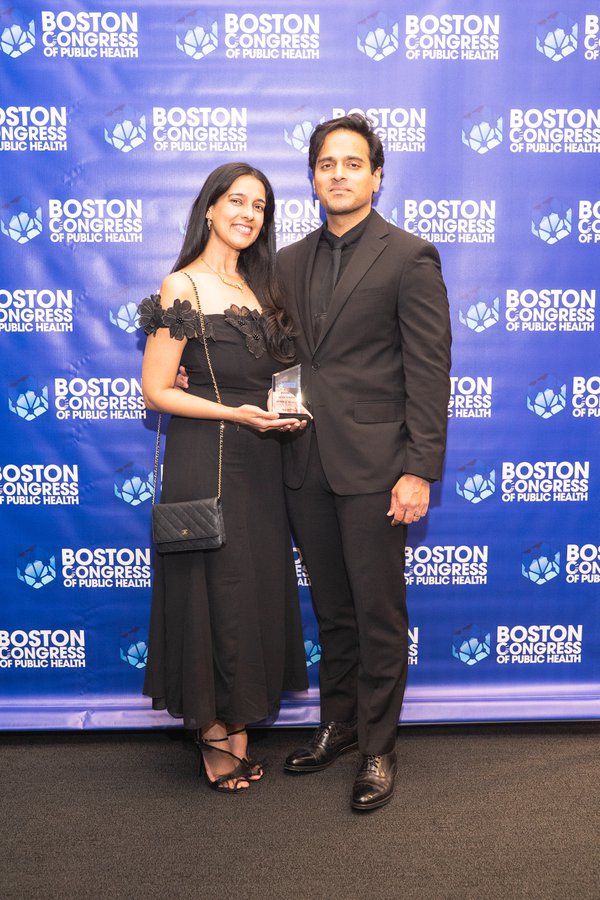
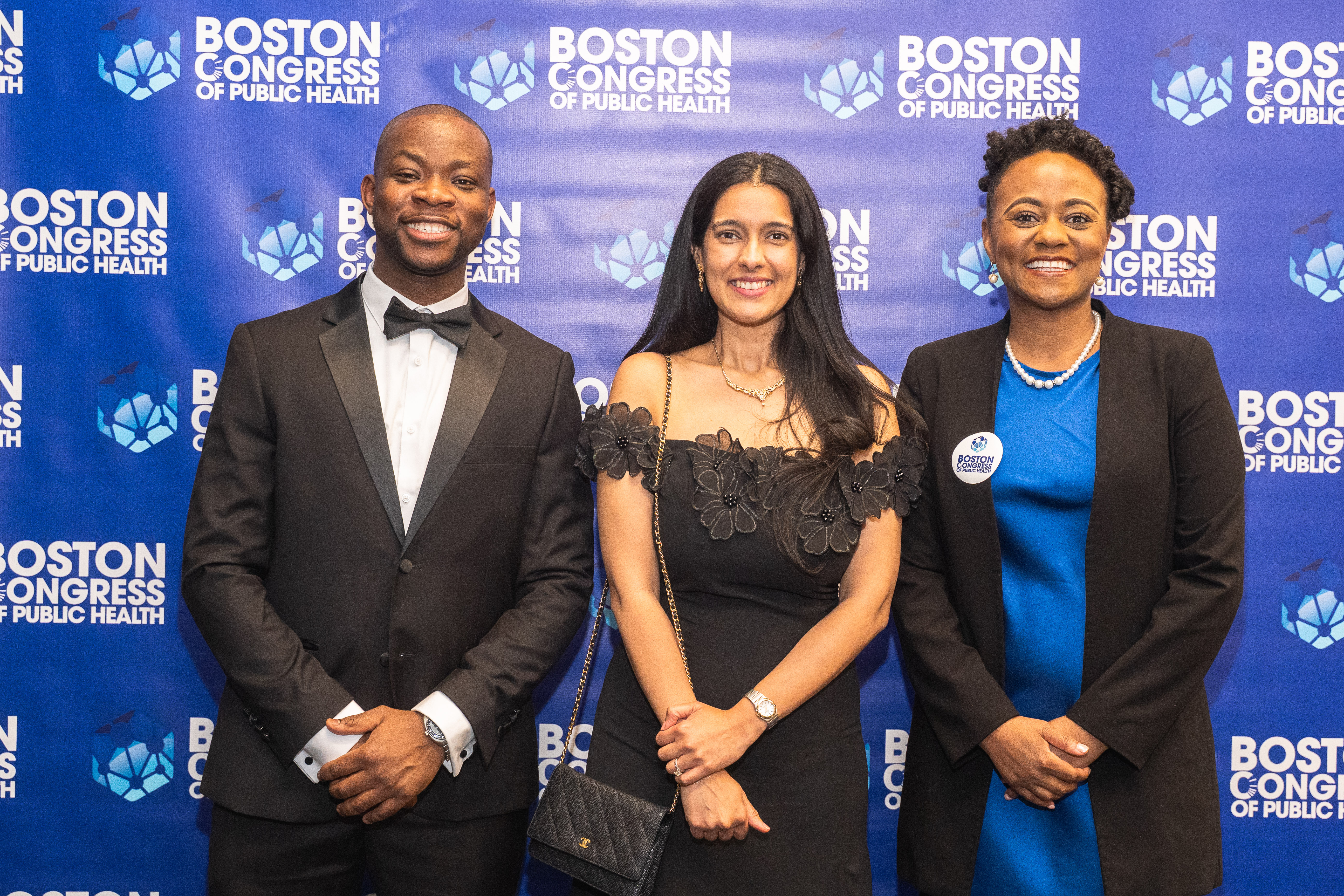
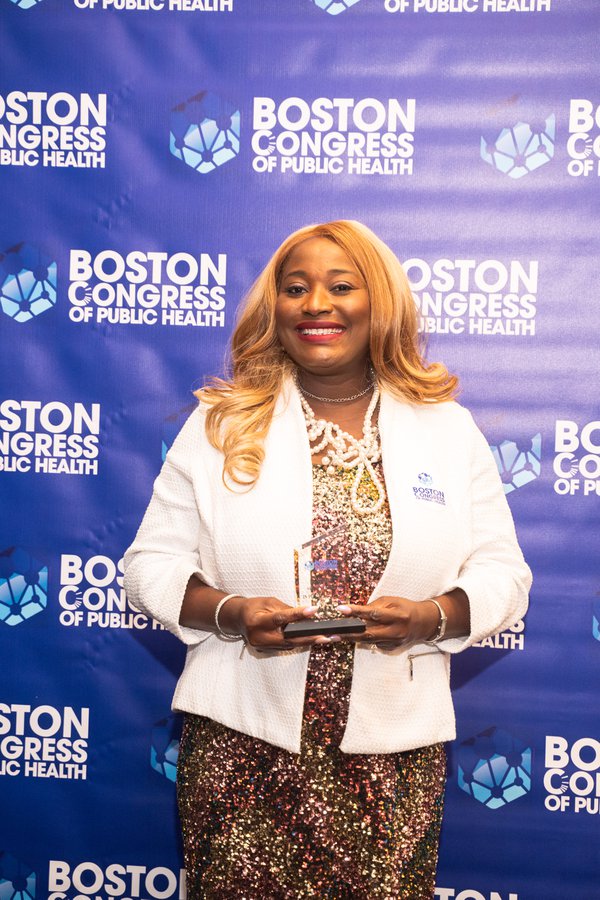
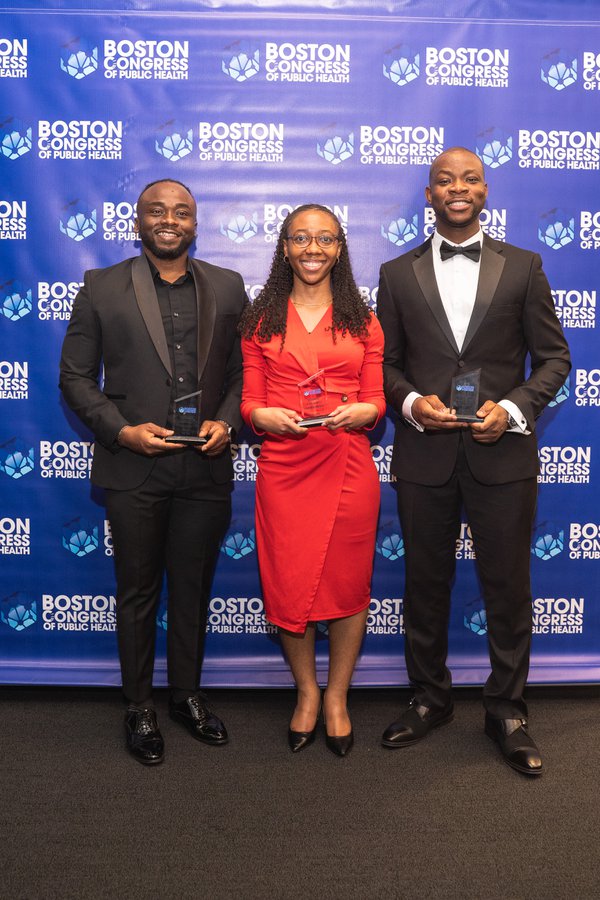
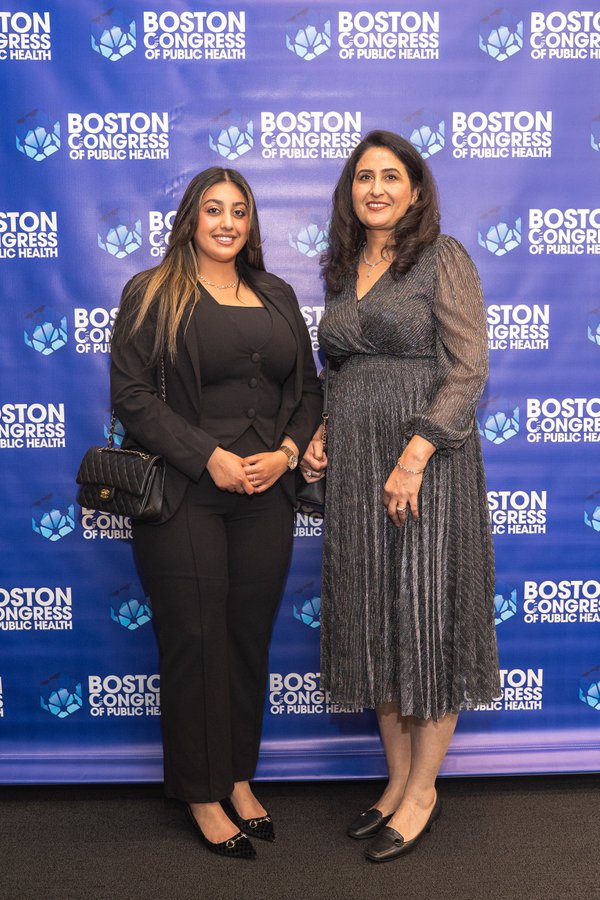
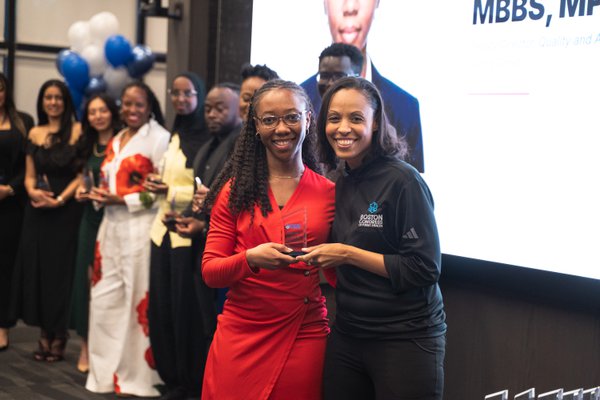
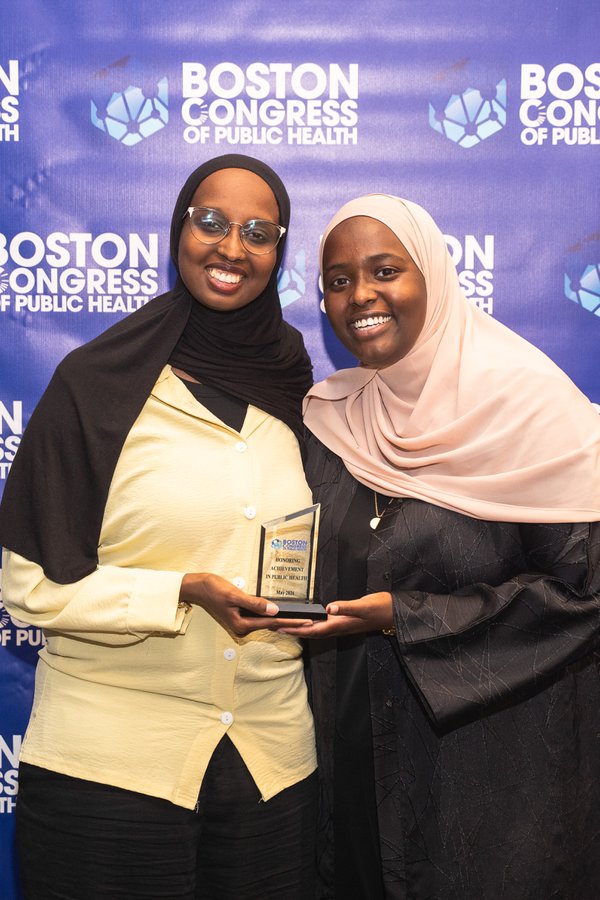
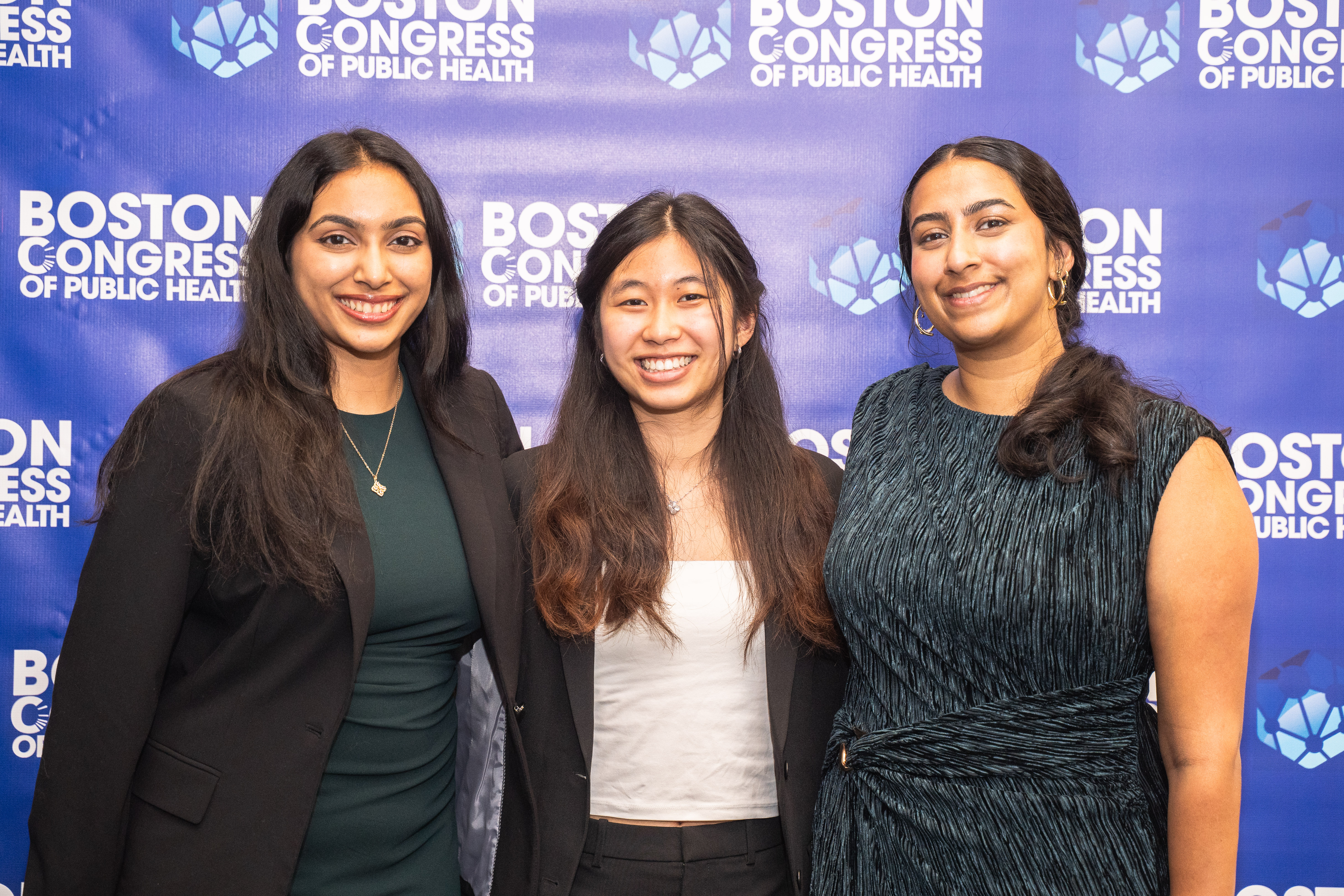
Photographs from the Evening with Honorees
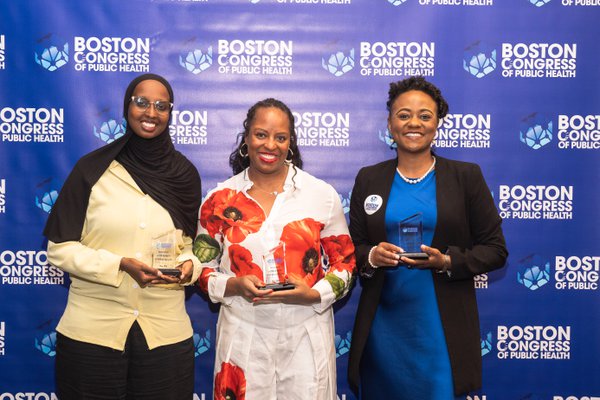
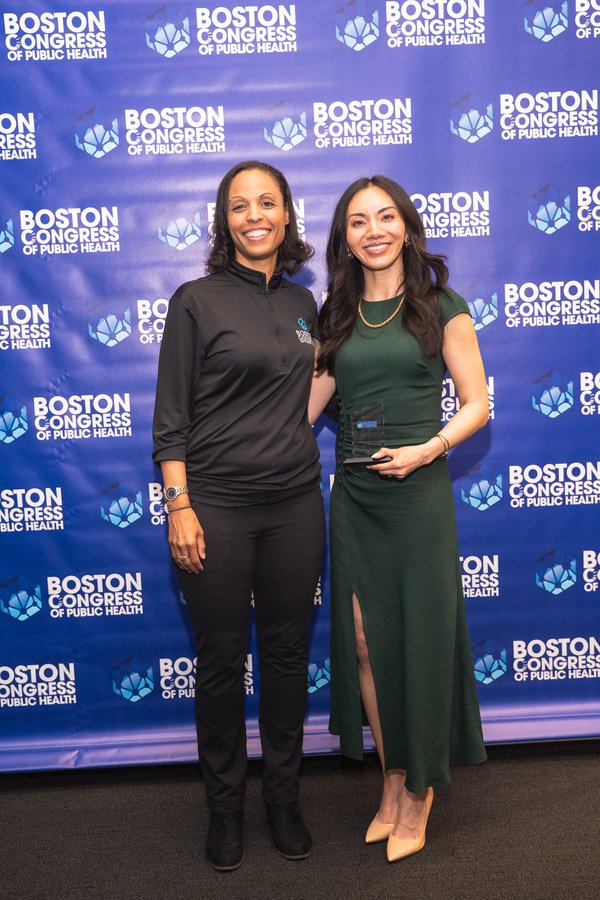
2023 Cohort
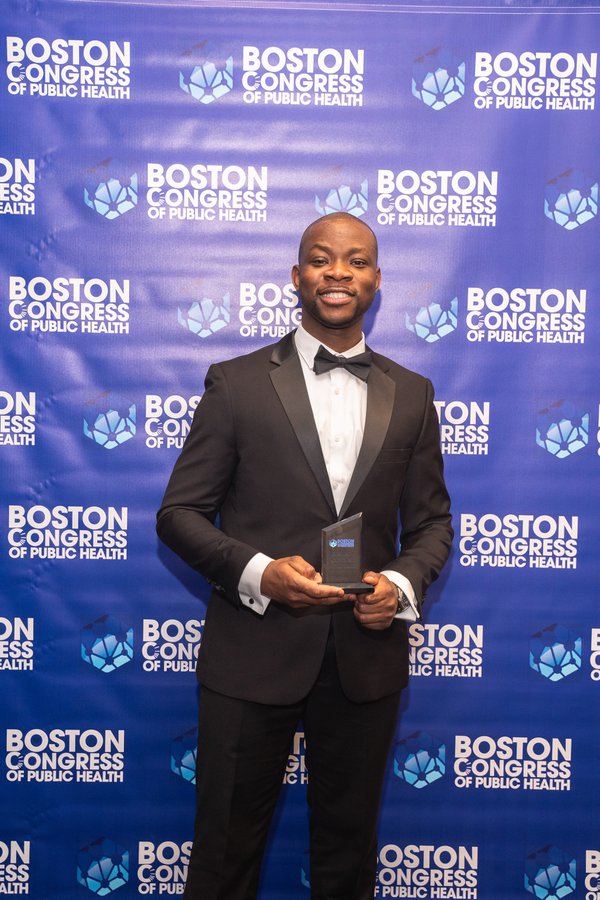
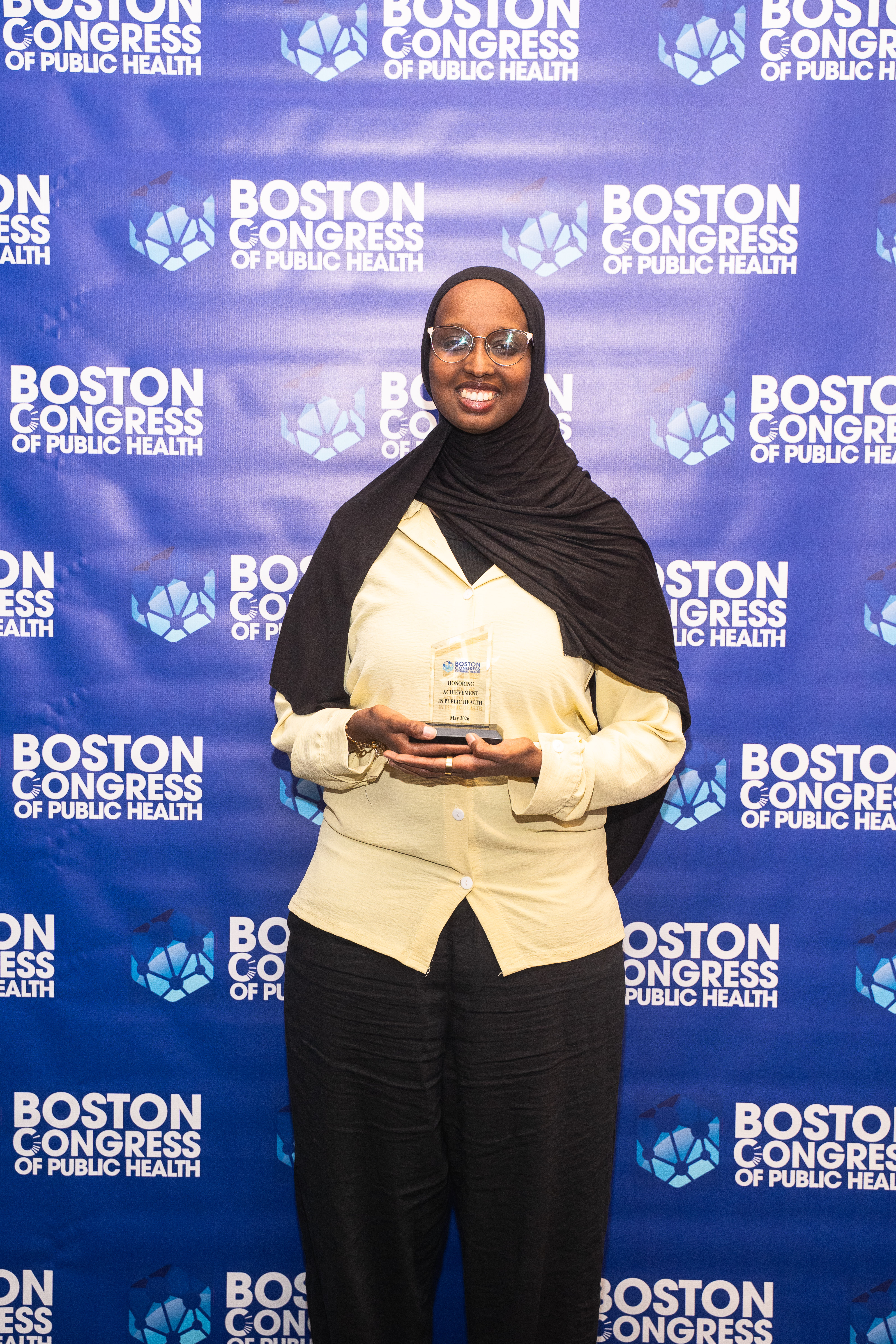
2025 Cohort

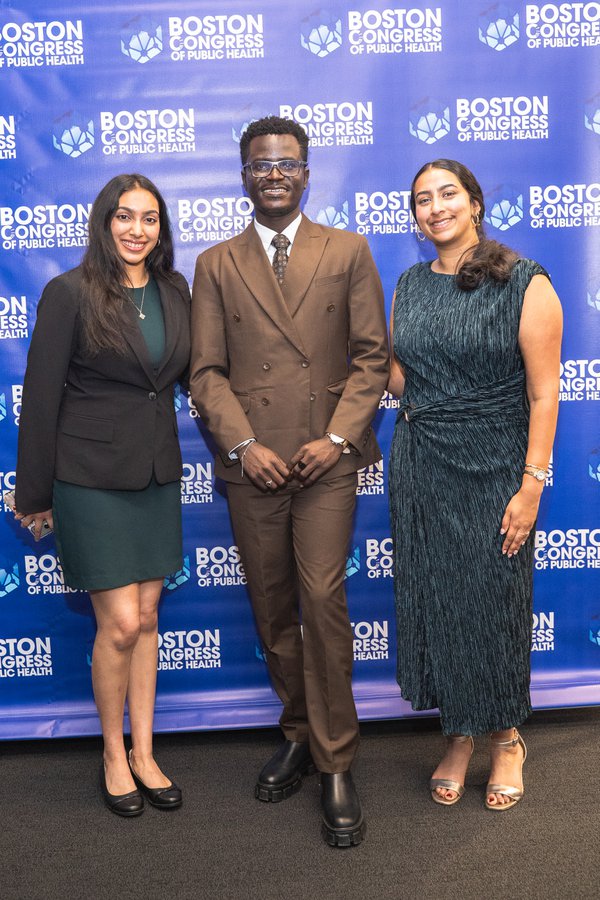
2026 Cohort

Thanks to Our Sponsors
The evening would not have been possible without the generosity of our sponsors. Our deepest thanks to:
- Host venue Ketryx, for opening their Cambridge space to the BCPH Gala.
- Author Dr. Monica L. Wang and Boston University School of Public Health, author of The Collective Cure: Upstream Solutions for Better Public Health (Beacon Press).
- Author Amelia Van Roos, of See You at Sunrise, the latest in the Rose Bay series published by Rose Bay Press.
- Author Via Luino, author of All The Scattered Stars, published by Lovestruck Books.
- Author M.J. Etkind, author of The Lone Wolf Paradox, published by Lovestruck Books.
The Close
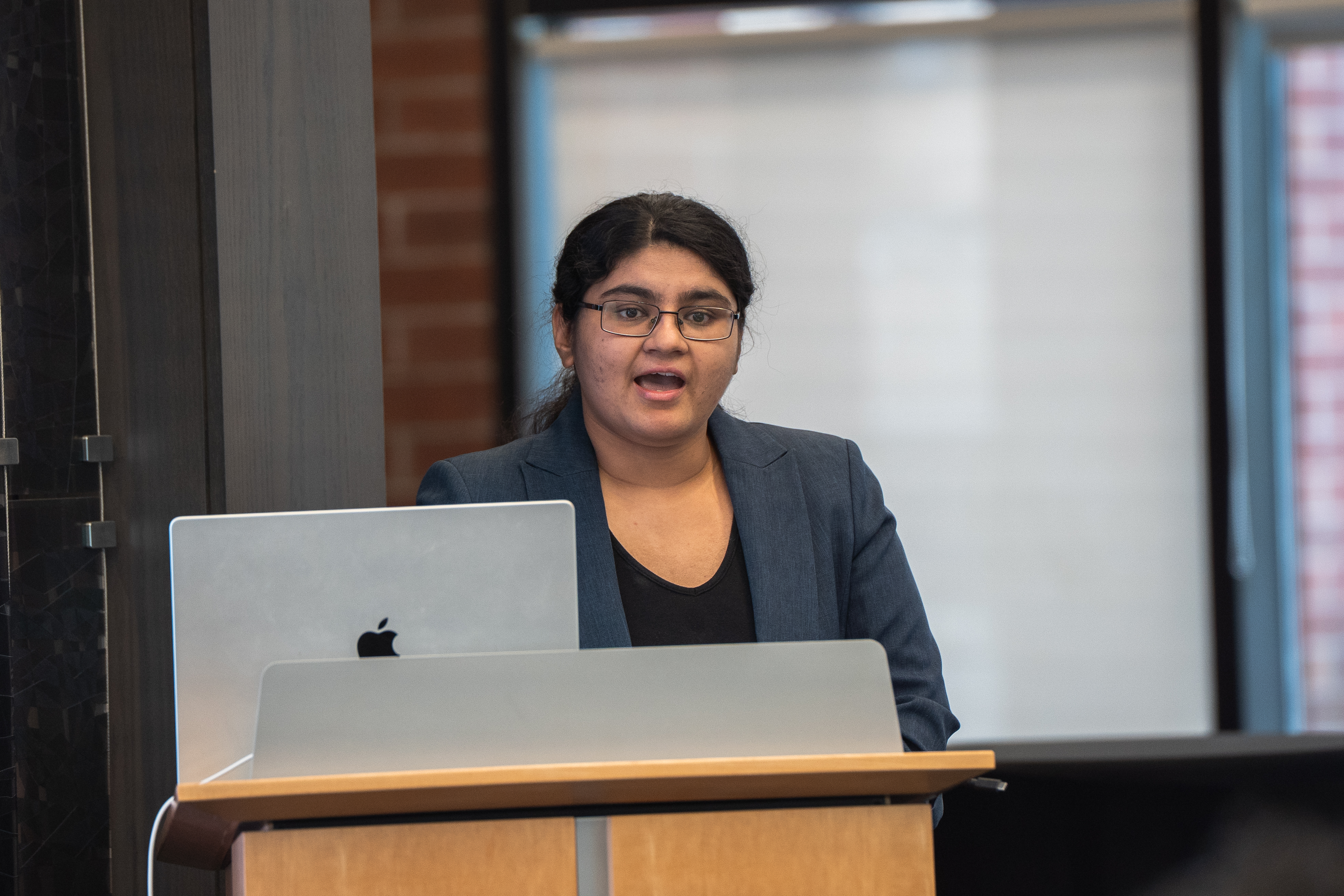
Attrayee Chakraborty closed the night with thanks and a few well-earned reminders about what comes next.
In the Room
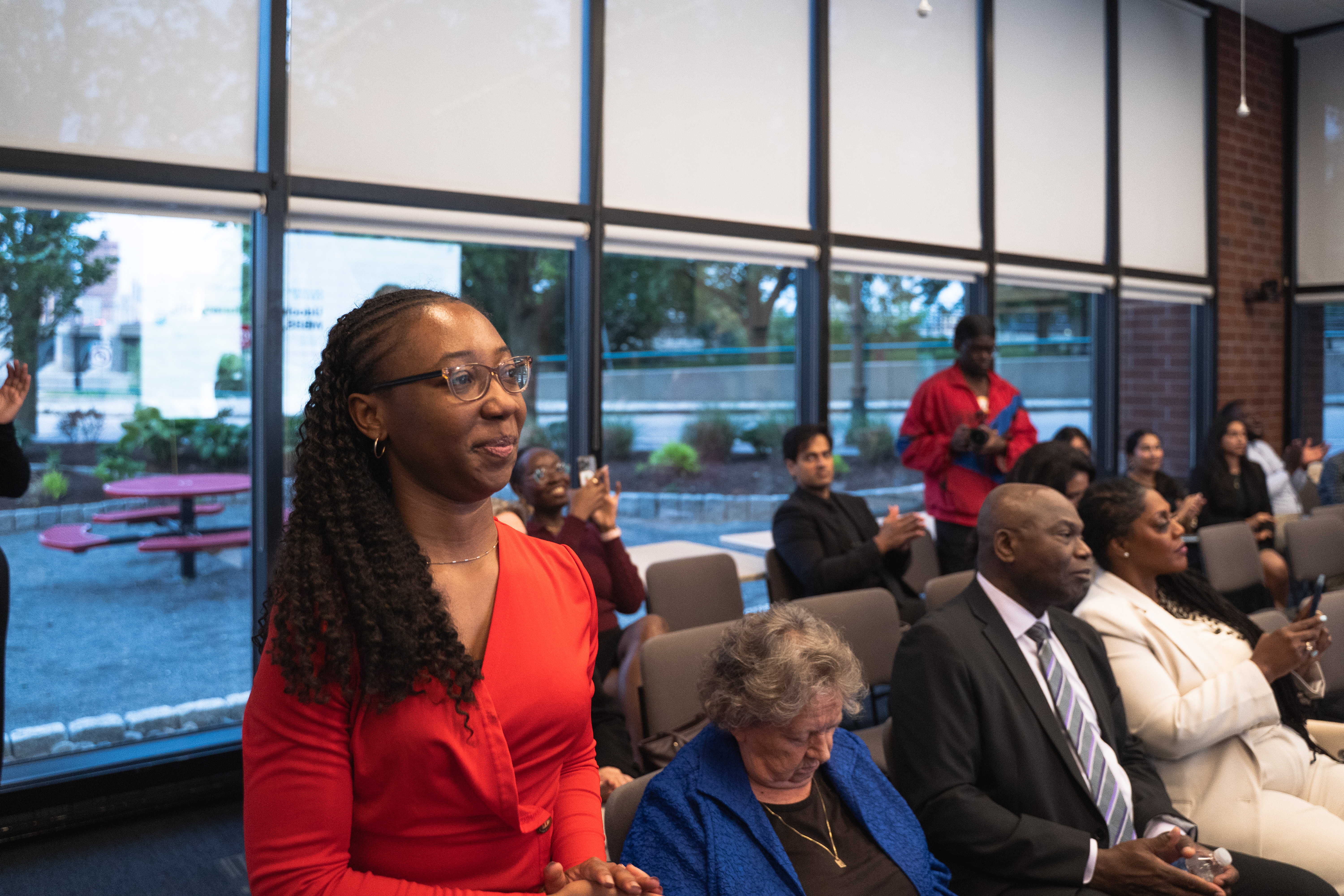
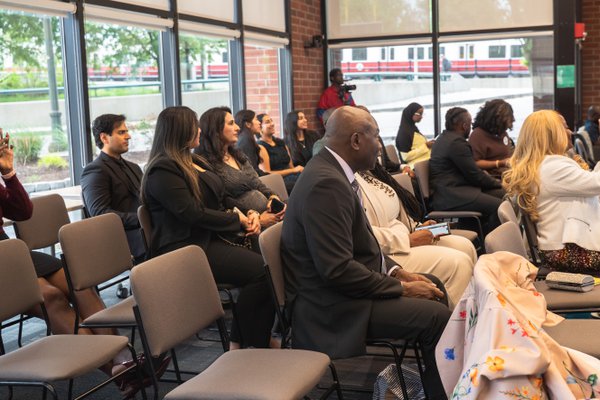
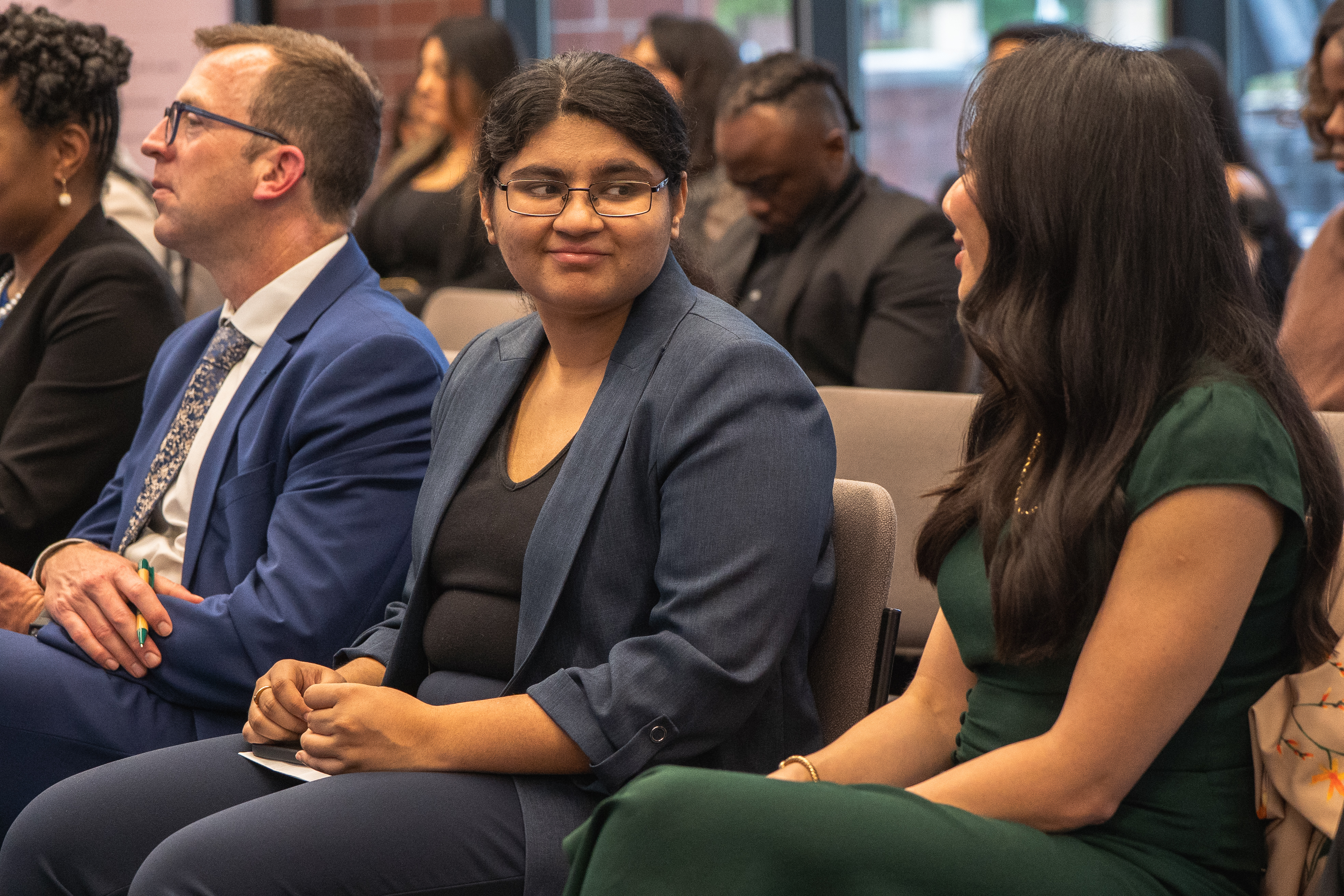
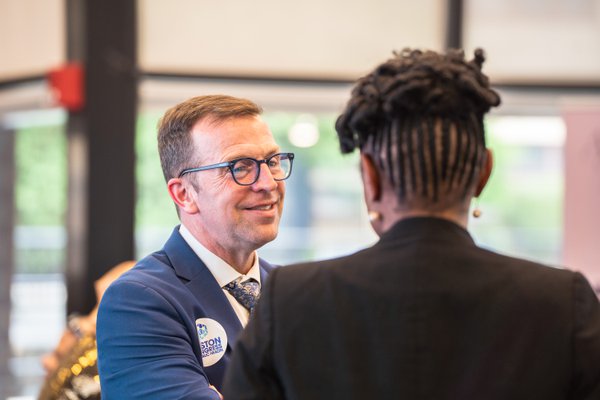
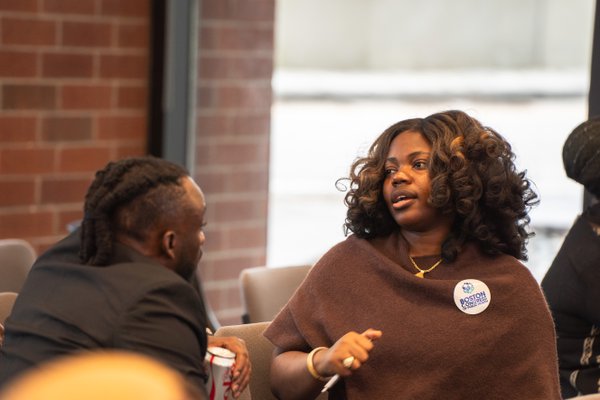
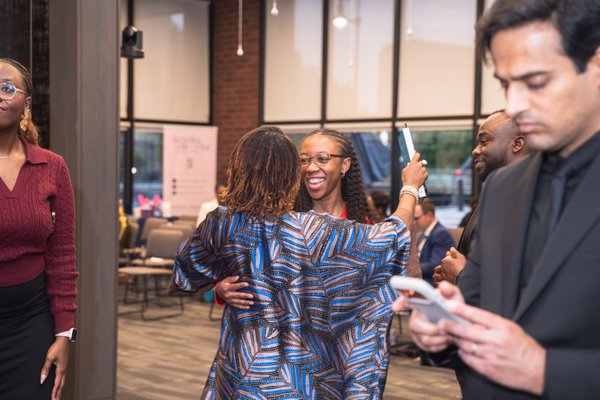
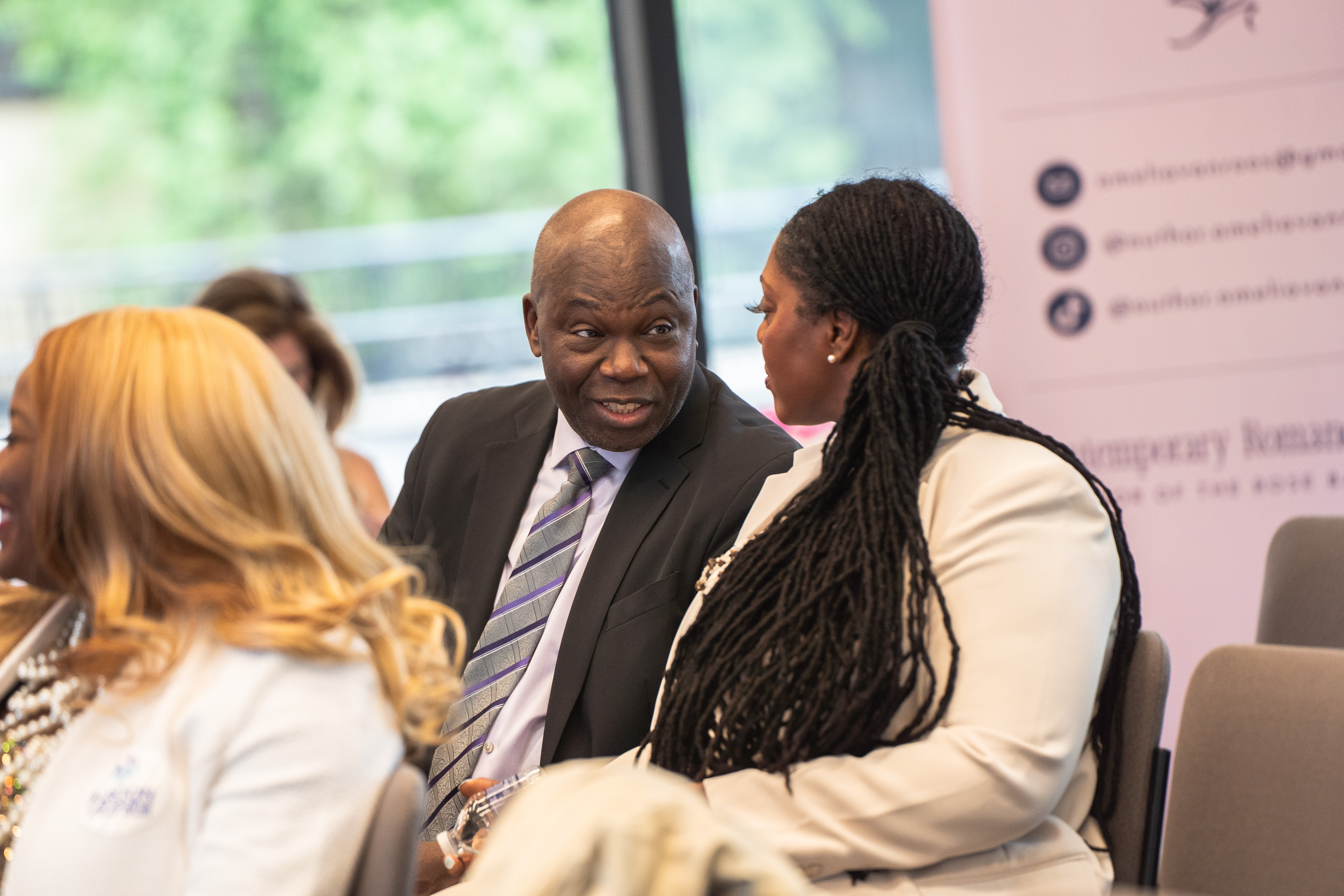
Some of the best moments of the night happened in between moments in the formal program.

The Album
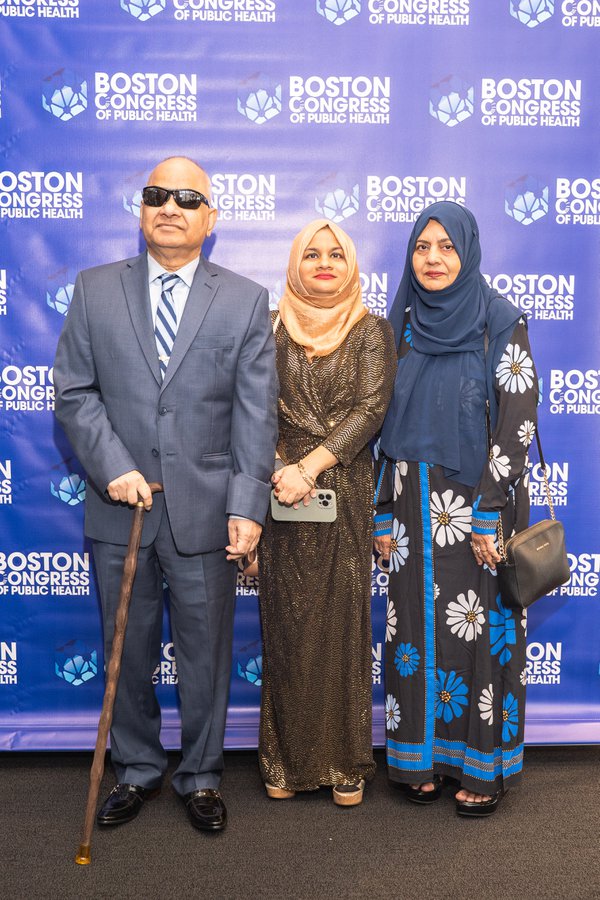
A handful more frames from the evening, laughter, side conversations, and candid moments. Click any photo to open the full slideshow.